
Digital Folklore The Evolution of Chinese Internet Jokes
- Date:
- Views:269
- Source:The Silk Road Echo
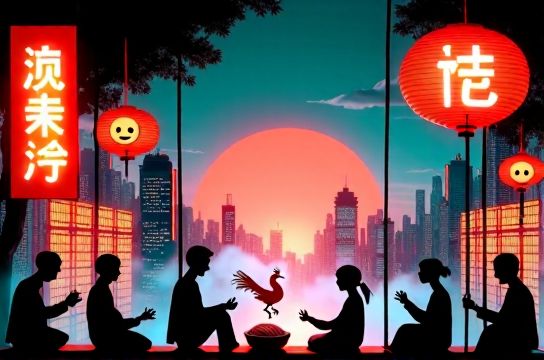
Let’s be real — if you’ve spent any time scrolling through Chinese social media, you’ve probably stumbled upon a meme that made zero sense at first glance. You’re not alone. What you’re seeing isn’t just random humor — it’s Digital Folklore. And over the past decade, Chinese internet jokes have evolved into a complex cultural code, blending satire, wordplay, and societal commentary in ways that even native speakers sometimes miss.
Why Chinese Internet Humor Is Different
Unlike Western memes that often rely on images or video clips, Chinese internet jokes thrive on linguistic creativity. Censorship, homophones, and character-based puns have pushed netizens to get *extremely* creative. Take “草泥马” (cǎo ní mǎ), which sounds like a famous curse but literally means 'grass mud horse'. It became a viral symbol not because of its meaning, but because of what it represents — resistance through absurdity.
According to a 2023 report by China Internet Network Information Center (CNNIC), over 1.05 billion people are online in China, with 99% accessing the web via mobile. This massive digital population fuels rapid meme cycles — some jokes live for days, others for mere hours.
The Lifecycle of a Viral Joke
Here’s how most internet jokes evolve in China:
| Stage | Duration | Example |
|---|---|---|
| Emergence | Hours | “内卷” (involution) redefined as burnout culture |
| Viral Spread | 1–3 days | Memes of pandas working 996 schedules |
| Mainstream Adoption | 1 week | TV hosts using '摆烂' (to give up strategically) |
| Overuse & Decline | 2–4 weeks | Joke becomes cringe, replaced by new slang |
This cycle shows why staying culturally relevant online in China is like surfing — catch the wave early, or you’re toast.
Top 3 Linguistic Tricks Behind the Jokes
- Homophones: “886” = “Bye-bye, later” — numbers sound like phrases.
- Character Substitution: Replacing sensitive words with similar-looking ones (e.g., “和諧” → “河蟹”, river crab).
- Irony & Understatement: Saying “I’m fine” while posting a photo of a burnt wok — everyone knows you’re venting.
These aren’t just jokes — they’re survival tools. In fact, a 2022 Peking University study found that 73% of urban millennials use internet slang to express frustration about work-life balance, especially around terms like involution and lying flat.
From Meme to Movement
Sounds dramatic? It’s not. What starts as a joke often sparks real discussion. The “Tang Ping” (lying flat) movement began as a sarcastic post about quitting hustle culture — now it’s cited in global sociology papers.
Brands have taken note. Companies like Xiaomi and Li-Ning now weave trending slang into ads, making them feel more authentic. But misfire? And you’re labeled ‘cringe’ forever.
In short, understanding Chinese internet jokes isn’t just about laughing — it’s about getting the unspoken rules of modern Chinese digital life. Whether you're a marketer, researcher, or just curious, pay attention. Because in this space, humor is never just humor.