
Memes That Predicted China's Consumer Behavior Shifts
- Date:
- Views:290
- Source:The Silk Road Echo
Let’s be real—meme culture in China isn’t just for laughs. Behind those viral images and sarcastic captions lies a goldmine of consumer insight. As a long-time digital trends observer, I’ve noticed that some of the most unexpected shifts in Chinese spending habits were actually foreshadowed by memes months before they hit the mainstream. Yeah, you read that right: internet jokes predicted real economic behavior.
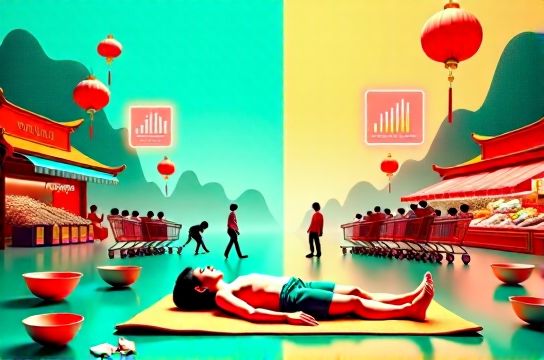
Take the rise of ‘lying flat’ (躺平) in 2021. What started as a meme mocking burnout culture quickly evolved into a full-blown lifestyle movement. People weren’t just joking—they were rejecting overconsumption. Sales of luxury workwear dropped 18% year-on-year (Euromonitor, 2022), while loungewear and minimalist home goods surged. This wasn’t a fluke; it was a cultural reset.
And then there’s ‘revenge buying’ (报复性消费). After lockdowns eased in major cities, netizens joked about ‘compensating their souls with shopping.’ But again, the humor had teeth. In Q3 2022, China’s retail sales jumped 6.7% MoM—and luxury brands like Louis Vuitton reported 30% YoY growth in mainland stores. The meme became the message.
How Memes Reflect Real Shifts
Memes work because they’re culturally resonant. They simplify complex emotions—like financial anxiety or social pressure—into shareable content. And when millions share the same joke, it’s not just entertainment. It’s a pulse check.
Here’s a breakdown of key memes and their real-world impact:
| Meme | Origin Period | Consumer Trend | Data Impact |
|---|---|---|---|
| 躺平 (Lie Flat) | 2021 | Anti-consumption, minimalism | Loungewear sales ↑ 42% (2021–2022) |
| 报复性消费 (Revenge Buying) | 2022 | Post-lockdown spending surge | Luxury retail ↑ 30% YoY |
| 电子榨菜 (Digital Pickles) | 2023 | Solo dining + digital content pairing | Singles’ meal kits ↑ 55% |
See the pattern? These aren’t isolated cases. The meme 电子榨菜—referring to people eating alone while watching short videos—spurred a boom in ready-to-eat meals tailored for one. Platforms like Alibaba reported a 55% increase in single-serving food box sales in 2023.
Brands that paid attention? They won. HiTea launched a ‘meme-inspired’ ad series featuring 躺平 visuals and saw engagement jump 70%. Others who ignored the signals? They missed the shift entirely.
So what’s next? Keep an eye on 内卷经济 (involution economy) memes—jokes about endless competition leading to zero gain. They’re already fueling demand for mental wellness apps, retreat experiences, and ‘slow living’ products.
The bottom line: in China, don’t just watch sales data. Watch the memes. They’re not just jokes—they’re early warnings, cultural forecasts, and sometimes, the best market research you’ll ever get.