
The Secret Life of Chinese Keyboard Warriors: Inside the World of Online Trolling
- Date:
- Views:311
- Source:The Silk Road Echo
Ever wondered what happens when millions of netizens log on, fire up their keyboards, and start typing like digital gladiators? Welcome to the wild, wired world of Chinese keyboard warriors—not your average online commenters, but a cultural phenomenon shaping public opinion, sparking outrage, and sometimes even toppling celebrities overnight.
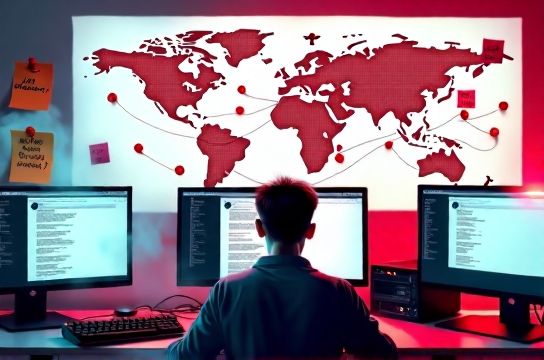
In China, where over 1.05 billion people are online (CNNIC, 2023), social media isn't just for sharing cat memes. Platforms like Weibo, Douyin, and Xiaohongshu have become battlegrounds for moral policing, nationalist pride, and viral justice. And at the heart of it all? The keyboard warrior—a netizen who wields words like weapons, often anonymously, and with zero chill.
These digital vigilantes don’t just argue—they organize. They swarm. They cancel. A single controversial post can trigger a tsunami of comments, doxxing, and hashtag campaigns. In 2022, actress Zheng Shuang was publicly shamed into career oblivion after fans accused her of tax evasion and surrogacy scandals. The backlash? Fueled almost entirely by keyboard warriors.
Why Are Chinese Netizens So Aggressive?
It's not just anger—it's identity. For many young Chinese, online activism is one of the few outlets for expressing dissent in a tightly controlled media landscape. Trolling becomes a form of rebellion, a way to “break through the filter” both literally and metaphorically.
And let’s be real: the internet rewards extremes. Algorithms on platforms like Weibo promote emotionally charged content, meaning outrage spreads faster than facts. One study found that negative posts receive 3x more engagement than neutral ones.
The Anatomy of a Trolling Campaign
It usually starts small: a suspicious tweet, a blurry photo, or a poorly worded apology. Then, the war rooms light up. Fan groups, nationalist forums, and even organized water armies (paid trolls) join the fray. Within hours, hashtags trend, screenshots go viral, and the target is publicly crucified.
Here’s a breakdown of how these campaigns unfold:
| Phase | Timeframe | Key Actions |
|---|---|---|
| Trigger | 0-2 hours | A post or behavior deemed offensive |
| Amplification | 2-6 hours | Viral screenshots, trending hashtags |
| Swarm Attack | 6-24 hours | Mass commenting, doxxing,举报 (reporting) |
| Resolution | 24-72 hours | Apology, censorship, or account deletion |
Yes, 举报 (reporting) is its own sport in China. Users mass-report profiles to get them suspended—a tactic so effective, it's been called “digital lynching.”
Not All Heroes Wear Capes—Some Just Use Pinyin
But here's the twist: sometimes, these keyboard warriors actually do good. They've exposed corruption, defended victims of injustice, and forced companies to recall unsafe products. In 2021, a viral post about a woman chained in a rural home led to a nationwide investigation—all sparked by netizen fury.
So are they heroes or hooligans? The truth is, they're both. The same tools used to shame can also empower. The challenge? Balancing free expression with digital ethics in a country where the line between citizen and censor is blurrier than ever.
One thing's for sure: in China's hyperconnected society, the keyboard isn't just mightier than the sword—it's faster, louder, and far more unpredictable.