
When Emojis Aren’t Enough: The Evolution of Emoji Packs in Chinese Digital Communication
- Date:
- Views:361
- Source:The Silk Road Echo
In the fast-paced world of Chinese digital messaging, a simple smiley face just doesn’t cut it anymore. While Western users might be satisfied with a basic 😂 or 🥲, Chinese netizens have taken emotional expression to a whole new level—enter the era of custom emoji packs. These aren’t your run-of-the-mill iOS emojis; we’re talking animated, sarcastic, meme-loaded sticker sets that speak volumes without typing a single character.
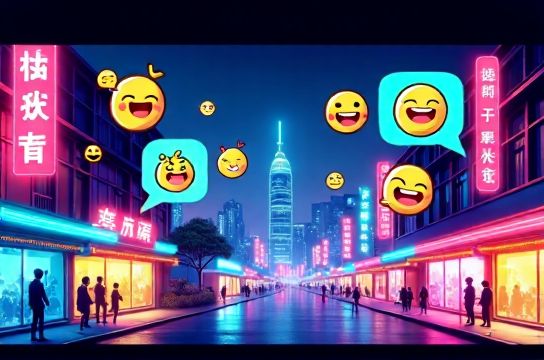
According to a 2023 report by QuestMobile, over 78% of WeChat users aged 18–35 send at least one custom sticker per conversation. Platforms like WeChat, QQ, and even Douyin have turned emoji sharing into a cultural phenomenon, where entire conversations happen entirely through stickers—no text needed.
The Rise of the Sticker Economy
What started as playful add-ons has evolved into a full-blown creative industry. Independent artists and brands now design themed packs, some selling millions of copies. Tencent’s official sticker marketplace reported over 4.2 billion downloads in 2022 alone, with top creators earning six-figure incomes annually.
But why are these packs so popular? In Chinese culture, indirect communication is often preferred—especially when expressing sarcasm, embarrassment, or affection. A well-timed sticker can say “I’m annoyed but I don’t want to argue” or “I miss you” without risking social awkwardness.
Data That Speaks Volumes
Check out how emoji usage differs across platforms:
| Platform | Monthly Active Users (2023) | Avg. Stickers Sent/Day/User | Top Emoji Theme |
|---|---|---|---|
| 1.3 billion | 12.7 | Cute animals with captions | |
| 560 million | 18.3 | Anime-style drama faces | |
| Douyin (IM function) | 720 million | 9.1 | Funny celebrity parodies |
Notice how QQ leads in daily sticker use? That’s because its younger user base thrives on exaggerated, dramatic expressions—think crying cats, rage-filled pandas, or blushing bunnies whispering sweet nothings.
From Cute to Commercial
Brands have caught on fast. Starbucks China once launched a limited-edition sticker pack featuring coffee-sipping pandas—resulting in a 23% uptick in app engagement during the campaign. Similarly, Xiaomi used custom emojis in a product launch chatbot, boosting user interaction by 35%.
And let’s not forget the viral personal packs—like “Diarrhea Brother” or “Auntie’s Life Advice”—which spread like wildfire due to their relatability and humor. Some even become internet slang, entering everyday speech.
The Future: AI-Generated & Personal Avatars
Now, AI is pushing boundaries. WeChat’s “Zhiyuan Xiao Man” uses generative AI to create real-time stickers based on your mood or chat context. Want a sticker of yourself as a furious ramen noodle chef? Done. As facial recognition and deep learning improve, expect hyper-personalized packs to dominate.
In China, emojis aren’t just fun—they’re a language of emotion, identity, and even marketing. So next time you send a 😊, remember: in China, they’ve already sent a 10-part sticker saga about existential dread and bubble tea.