
Short Video Apps and the Spread of Slang
- Date:
- Views:272
- Source:The Silk Road Echo
If you've spent more than five minutes scrolling through TikTok or Instagram Reels lately, you’ve probably heard phrases like 'slay,' 'no cap,' or 'rizz' dropped casually in videos. But how did these words go from niche slang to global jargon? The answer lies in the explosive rise of short video apps — and their unmatched power to spread language at lightning speed.
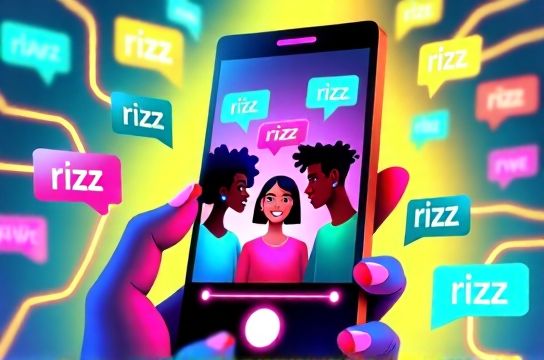
As a digital culture blogger who’s been tracking internet linguistics for over six years, I’ve seen trends come and go. But nothing compares to the velocity at which slang now spreads — thanks almost entirely to platforms like TikTok and YouTube Shorts. These apps don’t just entertain; they shape how we speak.
Why Short Videos Are Slang Super-Spreaders
Short-form video thrives on virality, authenticity, and relatability. A 15- to 60-second clip can reach millions overnight, especially if it features a catchy phrase or humorous twist on current lingo. According to a 2023 Pew Research study, 67% of U.S. teens say they learn new slang from social media, with TikTok being the top source.
What makes these platforms so effective? Three key factors:
- Algorithmic Amplification: Trending sounds and hashtags push content to wider audiences.
- Celebrity Micro-Influencers: Creators with as few as 50K followers can spark nationwide slang adoption.
- Global Reach, Local Flavor: Regional dialects get repackaged and shared globally — think Nigerian Pidgin or African American Vernacular English (AAVE) going mainstream.
Slang Evolution: From Streets to Screens
To show just how fast slang spreads now compared to the past, here's a breakdown:
| Slang Term | Origin Era | Time to Mainstream (Months) | Primary Platform |
|---|---|---|---|
| Yo | 1980s | 48 | TV, Music |
| Finna | 1990s | 36 | Hip-Hop Radio |
| Lit | 2010s | 18 | Twitter, Snapchat |
| Rizz | 2023 | 3 | TikTok |
Notice the trend? The time it takes for slang to hit the mainstream has dropped dramatically. 'Rizz' — short for charisma — went from college campuses to the Oxford Word of the Year shortlist in under six months. That’s unheard of in linguistic history.
The Dark Side: Credit and Cultural Appropriation
But it’s not all fun and memes. Many viral slang terms originate in marginalized communities — particularly Black American youth. Yet, when white influencers popularize them, the original creators often get erased. For example, phrases like 'sis' or 'periodt' have deep roots in LGBTQ+ and AAVE communities but are now used globally without context.
As users, we need to be mindful. Virality shouldn’t come at the cost of cultural respect. Follow creators from diverse backgrounds, credit origins when possible, and ask: Who benefits when this word goes viral?
What’s Next?
With AI-generated content and voice filters entering short video apps, we might soon see algorithm-invented slang. But for now, human creativity — especially from Gen Z and minority communities — remains the driving force.
So next time you drop a 'slay' in your caption, remember: you’re not just being trendy. You’re part of a massive, real-time language revolution — powered by short video apps.