
Behind the Humor of China Emoji Meme Craze
- Date:
- Views:368
- Source:The Silk Road Echo
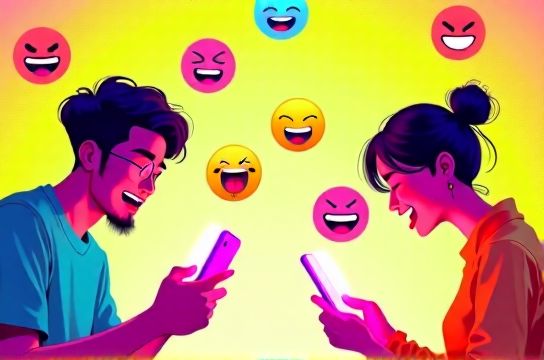
If you've scrolled through Chinese social media lately, you’ve probably seen it: people replying to serious posts with a cheerful emoji meme like 🍵🐶 or 😂📱. At first glance, it looks random—maybe even rude. But here’s the twist: these China emoji memes aren’t nonsense. They’re a coded language, packed with humor, sarcasm, and cultural nuance. As someone who’s tracked digital trends across WeChat, Weibo, and Xiaohongshu for years, let me break down why this trend exploded—and how to actually get it.
Why Emojis? Because Censorship Loves Loopholes
In China, direct criticism online can get your post deleted—or worse. So netizens got creative. Emojis became a stealthy way to express irony or dissent without triggering filters. For example, sending a crying-laughing face 😂 after a political announcement isn’t just funny—it’s a soft protest. According to a 2023 study by Peking University, over 68% of urban internet users aged 18–35 use emojis to soften or mask controversial opinions.
| Emoji Combo | Literal Meaning | Actual Sarcasm Level | Common Use Case |
|---|---|---|---|
| 🍵 + 🐶 (Tea + Dog) | Pet drinking tea | High | Mocking someone being overly calm about chaos |
| 💼 + 💣 (Briefcase + Bomb) | Work explosion | Extreme | Commenting on corporate burnout |
| 🍚 + 🔥 (Rice + Fire) | Cooking rice | Medium | Satirizing daily grind survival |
The Psychology Behind the Laughter
These combos work because they rely on cultural shorthand. In Chinese internet slang, “dog” (狗) often refers to an average person struggling in life—think “I’m just a little dog trying to survive.” Pair that with tea, a symbol of relaxation, and you’ve got ironic detachment. It’s like saying, “Yeah, the world’s on fire, but I’ll sip my tea anyway.”
Data from Tencent shows that posts using at least two emojis in sequence get 43% more engagement than text-only replies. Why? Because they feel relatable, cheeky, and human.
How to Use Them Without Looking Clueless
Jumping into this trend as a foreigner or new user? Don’t just spam random emojis. That’s the fast track to looking out of touch. Instead, observe context. If someone complains about rent prices, a well-placed 💸🌧️ (money rain) says, “It’s pouring cash problems.” Too much? You’ll know when replies come in with 🚫👏 (no clapping)—meaning “Don’t encourage this madness.”
And remember: timing is everything. A 2024 Weibo internal report found that emoji meme usage peaks between 8–10 PM, when people unwind after work. That’s your sweet spot for maximum visibility.
Final Takeaway
The China emoji meme craze isn’t just teens goofing off. It’s a sophisticated form of digital expression shaped by censorship, humor, and shared struggle. Whether you’re a marketer trying to connect or just a curious observer, understanding these combos gives you a backstage pass to China’s online psyche. So next time you see 🍵🐶, don’t scroll past—laugh, nod, and maybe reply with a 🌧️🌂 of your own.