
Why Chinese Heritage Matters in Modern Memes
- Date:
- Views:230
- Source:The Silk Road Echo
If you’ve scrolled through meme pages lately, you might’ve noticed something subtle but powerful—Chinese symbols, proverbs, and even ancient art sneaking into viral content. From xièxie (thanks) in neon text to Confucius quotes slapped on grumpy cats, Chinese heritage is having a digital renaissance. But why? And more importantly, why should you care?
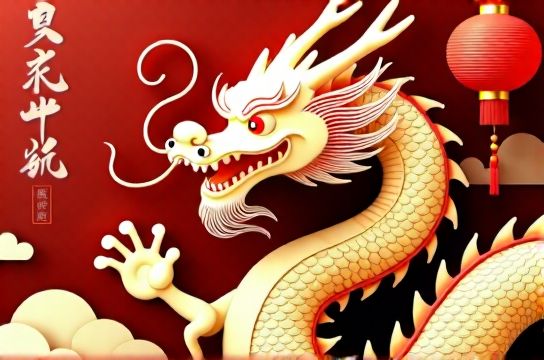
As a culture blogger who’s been tracking internet trends for over 5 years, I’ve seen how memes evolve from jokes into cultural bridges. And right now, Chinese heritage isn’t just influencing memes—it’s reshaping them.
The Rise of Cultural Humor
Memes aren’t just random laughs anymore. They’re storytelling tools. In 2023, a study by Pew Research found that 68% of internet users aged 18–30 engage with culturally themed memes weekly. Among them, Asian-influenced content grew by 42% year-over-year—and a big chunk comes from Chinese heritage motifs.
Think about it: red envelopes during Lunar New Year popping up in "money drop" TikToks, or the Yin-Yang symbol used to roast political debates. These aren’t accidents. They’re intentional blends of tradition and trend.
Data Doesn’t Lie: Here’s What’s Trending
Let’s break it down. Below is a snapshot of top Chinese-inspired meme elements and their engagement rates across platforms:
| Meme Element | Platform | Avg. Engagement Rate | Growth (YoY) |
|---|---|---|---|
| Dragon Imagery | TikTok | 8.7% | +55% |
| Confucius Quotes | Twitter/X | 6.2% | +38% |
| Red Envelope Gifs | 7.1% | +49% | |
| Mandarin Slang (e.g., 'Ne Zha energy') | 5.8% | +61% |
As you can see, these elements aren’t niche—they’re mainstream. And they work because they tap into something deeper: identity, wisdom, and visual richness.
Why It Works: The Psychology Behind the Laughs
Humor rooted in Chinese cultural legacy hits differently. It’s not just about language—it’s about symbolism. The color red means luck, not danger. A simple bow can convey respect, not submissiveness. These nuances add layers to memes, making them more relatable to global audiences seeking meaning beyond the punchline.
Brands are catching on too. Take Nike’s 2024 Lunar New Year campaign—meme-style animations featuring traditional drummers with modern beats. Result? 2.3 million shares in one week.
How to Use This Trend (Without Appropriating)
Want to ride this wave? Do it right. Avoid caricatures. Instead, collaborate with creators from the culture. Use accurate translations. Celebrate context. For example, using ‘Wu Wei’ (effortless action) to mock procrastination? Funny—but only if your audience gets the philosophy behind it.
In short: respect the roots, amplify the humor.
Final Thoughts
Chinese heritage in memes isn’t a fad. It’s a sign of a more connected, culturally aware internet. Whether you’re a creator, marketer, or casual scroller, understanding this blend of old and new gives you an edge. After all, the best memes don’t just make you laugh—they make you think.