
Behind the Laughter Understanding Sarcasm in Chinese Memes
- Date:
- Views:321
- Source:The Silk Road Echo
If you've ever scrolled through Chinese social media and laughed at a meme without fully getting the joke—don’t worry, you're not alone. Behind those viral images and punchy captions lies a rich layer of sarcasm in Chinese memes that blends cultural nuance, internet slang, and social commentary. As someone who’s spent years analyzing digital trends across Weibo, Douyin, and Xiaohongshu, I’m breaking down exactly how sarcasm works in these memes—and why they’re more than just jokes.
Why Sarcasm Dominates Chinese Internet Culture
In China’s tightly regulated online space, direct criticism is risky. That’s where sarcasm steps in. It’s a clever workaround—a way to comment on politics, work culture, or societal pressure while flying under the radar. Think of it as ‘laughing to keep from crying.’ A 2023 report by iResearch found that over 68% of top-viral posts on Weibo used irony or satire, with millennials and Gen Z leading the trend.
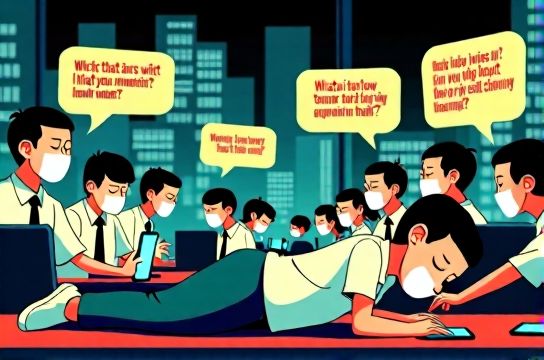
One popular form? The ‘involution’ meme. You’ll see images of people running on hamster wheels labeled ‘996 workers’ or students buried under books titled ‘Gaokao survival.’ These aren’t just funny—they’re subtle critiques of burnout culture. This kind of humor connects with users because it feels real. And when something feels real, it gets shared.
Decoding the Language of Sarcasm
Chinese meme sarcasm often relies on wordplay, homophones, and borrowed phrases. For example, ‘neijuan’ (内卷), meaning ‘involution,’ started as an academic term but now mocks endless competition. Another favorite: ‘tangping’ (躺平), or ‘lying flat,’ symbolizing passive resistance to societal pressure.
Here’s a quick breakdown of common sarcastic themes:
| Meme Theme | Literal Meaning | Sarcastic Use | Example Platform |
|---|---|---|---|
| Neijuan (内卷) | Involution | Mocking overwork and rat races | Weibo, Douyin |
| Tangping (躺平) | Lying flat | Rejecting hustle culture | Xiaohongshu, Bilibili |
| Renjian Bujidang (人间不值得) | Life isn’t worth it | Cynical take on effort vs. reward | WeChat Moments |
How Brands Use Sarcastic Memes (And Should You?)
Even companies are jumping on the bandwagon. In 2022, beverage brand Nongfu Spring ran a campaign showing tired office workers with the tagline: ‘You’ve earned this nap.’ It went viral—because it felt authentic. But beware: forced sarcasm backfires. Users can spot inauthenticity fast.
If you’re creating content for Chinese audiences, embrace the tone—but do your homework. Jumping into sarcasm in Chinese memes without context can alienate users or worse, offend. Study trending hashtags, monitor reply threads, and pay attention to timing. A meme about exam stress hits harder in June (Gaokao season) than January.
For marketers, the takeaway is clear: humor works, but only when it’s culturally grounded. And if you want to truly connect, learn to speak fluent sarcasm. To dive deeper into digital expression in China, check out our guide on Chinese internet humor.