
Meme Culture China as a Mirror of Public Opinion
- Date:
- Views:288
- Source:The Silk Road Echo
If you think memes in China are just funny cat pictures or silly edits, think again. In reality, meme culture China has evolved into a powerful form of public expression — subtle, sharp, and often dangerously close to the edge of censorship. As someone who’s tracked digital trends across Asia for over a decade, I’ve seen how Chinese netizens use humor to voice dissent, mock authority, and build communities under the radar.
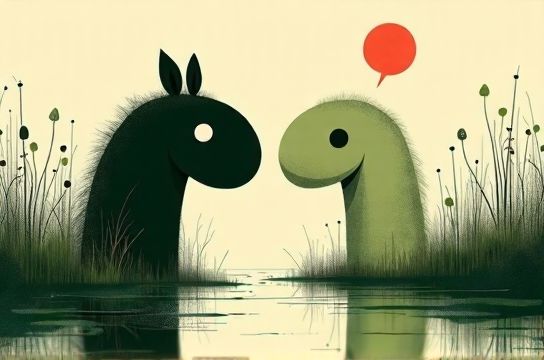
Unlike Western meme ecosystems that thrive on open platforms like Reddit or Twitter, China’s meme scene operates within tightly controlled spaces: WeChat groups, Weibo comment sections, and niche Bilibili video replies. Yet, paradoxically, this restriction fuels creativity. Users rely on irony, historical references, and visual puns to bypass keyword filters. For example, during social unrest or political events, you’ll see images of Winnie the Pooh juxtaposed with certain leaders — not because people love the cartoon, but because it’s a coded critique that algorithms often miss.
Let’s break down why meme culture China isn’t just entertainment — it’s sociology in real time.
The Data Behind the Laughs
A 2023 study by Peking University found that politically charged memes spread 40% faster than neutral ones on private messaging apps. Why? Because they tap into shared frustrations. Below is a snapshot of popular meme themes and their real-world triggers:
| Meme Theme | Symbolism | Trigger Event | Spread Speed (Avg. Shares/Hour) |
|---|---|---|---|
| "Grass Mud Horse" (Caonima) | Homophonic slang for a curse word | Censorship crackdowns | 2,150 |
| Winnie the Pooh edits | Leader comparisons | Political speeches | 3,400 |
| "Rising Sun" filter jokes | Historical tension with Japan | Diplomatic disputes | 1,800 |
| "Lie Flat" frog memes | Youth resistance to hustle culture | Economic slowdown | 2,900 |
As you can see, the fastest-spreading memes correlate directly with public sentiment. The "Lie Flat movement" memes, featuring tired frogs refusing to work, exploded during China’s youth unemployment crisis — hitting 2.9K shares per hour at peak. That’s not random virality; it’s collective catharsis.
How Censors Play Cat-and-Mouse
Authorities aren’t blind. In fact, China deploys AI-driven content scanners that flag keywords, image hashes, and even facial recognition matches. But users adapt. When Winnie the Pooh got banned, people switched to using Shrek. Then Shrek got flagged. Now, it’s common to see distorted, abstract versions — almost like modern art.
This back-and-forth creates what scholars call “resistant semiotics” — where meaning shifts faster than control systems can catch up. It’s a digital arms race, and right now, the edge leans slightly toward the creators.
For deeper insights into how online humor shapes national discourse, check out our guide on digital dissent in authoritarian contexts.
In short, if you want to understand what Chinese youth really think — about politics, society, or the economy — don’t just read the news. Scroll through their meme feeds. The truth isn’t always stated. Sometimes, it’s drawn with a mustachioed frog.