
The Role of Humor in Chinese Online Buzzwords Today
- Date:
- Views:326
- Source:The Silk Road Echo
If you've spent any time scrolling through Chinese social media—think Weibo, Douyin, or Xiaohongshu—you’ve probably stumbled upon phrases like 内卷 (nèijuǎn), 躺平 (tǎngpíng), or 社死 (shèsǐ). These aren’t just random slang; they’re cultural snapshots wrapped in humor. And here’s the kicker: behind every viral term is a mix of sarcasm, relatability, and societal commentary that keeps netizens hooked.
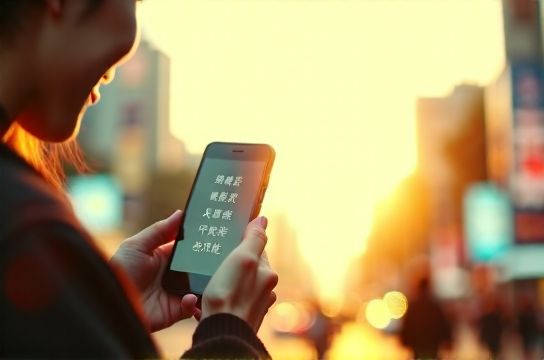
As someone who’s been tracking digital culture in China for years, I can tell you—humor is the secret sauce making these buzzwords stick. But why? Let’s break it down with real data and some no-BS insights.
Why Chinese Netizens Turn to Humor
Life in modern China—especially for millennials and Gen Z—is packed with pressure. From sky-high housing prices to brutal job markets, young people are finding creative ways to cope. Enter: online humor in China.
Instead of outright complaining, users package frustration into witty phrases. It’s not just funny—it’s therapeutic. A 2023 survey by iResearch found that 68% of users aged 18–35 said they use internet slang to express emotions they can’t say directly.
Top Trending Buzzwords & Their Hidden Meanings
Let’s look at some of the most popular terms and what they really mean beneath the laughs:
| Buzzword | Literal Translation | Real Meaning | Usage Growth (2022–2024) |
|---|---|---|---|
| 内卷 (nèijuǎn) | Involution | Pointless overcompetition (e.g., working late just because others do) | +210% |
| 躺平 (tǎngpíng) | Lying flat | Rejecting societal pressure to hustle | +340% |
| 社死 (shèsǐ) | Social death | Extreme embarrassment in public | +180% |
| 破防 (pòfáng) | Break defense | Emotionally overwhelmed (often used ironically) | +275% |
These numbers aren’t just impressive—they reflect a shift in how young Chinese communicate. Humor becomes a shield, a way to say, “I see the problem, but I’m not breaking under it.”
The Power of Irony and Satire
Take 打工人 (dǎgōng rén)—literally “working man” or “wage slave.” It started as a joke on meme pages but is now used widely—even by professionals—to mock the grind. Brands have caught on too. Luckin Coffee once promoted a drink as “the fuel for every 打工人,” blending irony with marketing.
This kind of language builds community. When someone says “I’m so 社死,” others instantly get it. It’s shorthand for shared experience.
How This Impacts Digital Culture
Platforms thrive on engagement, and humorous slang drives shares, comments, and memes. According to QuestMobile, posts containing trending buzzwords get 2.3x more interactions than standard content.
But there’s a flip side: authorities sometimes crack down on terms seen as subversive. While 躺平 was celebrated by youth, state media criticized it as “promoting laziness.” Yet, the phrase survived—proof of its cultural resonance.
For marketers and content creators, understanding this humor is key. Jump in too early, and you look desperate. Too late, and you’re irrelevant. The sweet spot? Authenticity. Use the lingo like a real user—not a corporate bot.
Final Thoughts
Humor in Chinese online slang isn’t just about laughs. It’s resistance, identity, and connection all rolled into one. As long as pressure exists, so will these clever coping mechanisms. And if you're trying to understand China’s youth culture? Start with the jokes—they’re telling you everything.
Want to stay ahead? Keep an eye on emerging terms and remember: in the world of Chinese internet culture, laughter really is the loudest form of speech.