
Viral Challenges on TikTok vs Kuaishou Compared
- Date:
- Views:318
- Source:The Silk Road Echo
If you've ever scrolled through TikTok or Kuaishou for more than five minutes, you’ve probably seen them—those wild dance moves, lip-sync battles, and oddly satisfying life hacks. But not all viral challenges are created equal. As someone who’s tracked social trends across China and the West for years, let me break down how viral challenges on TikTok stack up against those on Kuaishou, two platforms shaping global youth culture in very different ways.
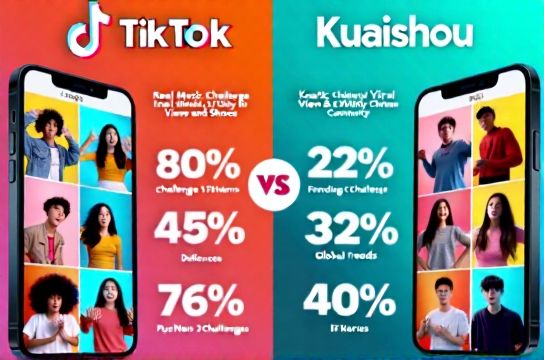
TikTok, known as Douyin in China, thrives on polished, trend-driven content. Think choreography from L.A. dancers going global in 48 hours. Kuaishou? It’s more about real people, rural talent, and grassroots authenticity. That cultural DNA shapes everything—from challenge themes to who actually goes viral.
Let’s look at some hard numbers:
User Engagement: TikTok vs Kuaishou (2023 Data)
| Metric | TikTok | Kuaishou |
|---|---|---|
| Monthly Active Users (MAU) | 1.3 billion | 620 million |
| Avg. Session Duration | 10.85 minutes | 12.7 minutes |
| Challenge Participation Rate | ~34% | ~52% |
| Top Challenge Reach (Avg.) | 80–120M views | 50–90M views |
Surprised Kuaishou has higher session time and challenge participation despite fewer users? That’s because Kuaishou’s algorithm favors consistent creators over flash-in-the-pan virality. On TikTok, you might ride a trend to fame overnight—but fade just as fast. On Kuaishou, winning means building a loyal following through repeated engagement.
Take the 2023 ‘Handstand Walk’ challenge. On TikTok, it hit 114 million views in two weeks, led by fitness influencers with 1M+ followers. On Kuaishou, the same challenge got 78 million views—but over six weeks, driven largely by everyday users in small cities showing off their skills in local parks. The content felt more inclusive, less performative.
And here’s where monetization differs: TikTok challenges often tie into brand campaigns (e.g., Chipotle’s #GuacDance brought $10M in sales). Kuaishou’s strength? E-commerce integration. A viral ‘Farm-to-Table Cooking’ challenge didn’t just trend—it moved product. One farmer sold 3,000 kg of potatoes in a week via live-stream add-ons.
So which platform wins for launching your next big idea? If you want speed and scale, go TikTok. For deeper community trust and conversion, Kuaishou’s your play.
Bottom line: viral challenges aren’t just memes—they’re cultural signals. Understand the platform, know your audience, and pick your battlefield wisely.