
Decoding Popular Chinese Buzzwords Step by Step
- Date:
- Views:358
- Source:The Silk Road Echo
If you've ever scrolled through Chinese social media and felt like everyone’s speaking a secret code, you're not alone. As a cultural analyst who's been tracking digital trends in China for over five years, I’ve seen how buzzwords evolve from niche internet slang into nationwide expressions — sometimes in just days.
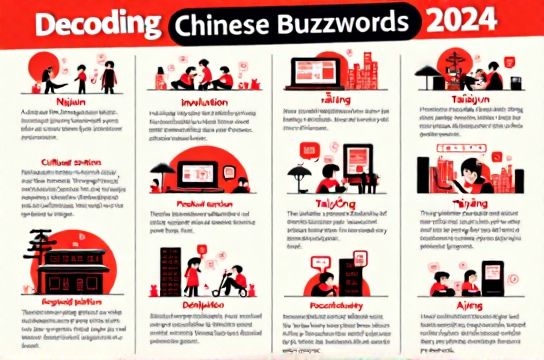
Understanding these terms isn’t just fun; it’s essential if you’re doing business, marketing, or even just trying to connect with younger Chinese audiences. Let’s break down some of the most viral Chinese buzzwords of 2024, what they really mean, and why they matter.
Why Chinese Buzzwords Matter
In China, language moves fast. Platforms like Weibo, Douyin (TikTok), and Xiaohongshu are breeding grounds for new expressions that reflect societal moods, economic pressures, and youth culture. These aren't just silly memes — they're cultural barometers.
Take tàipínggǒu (躺平狗), literally 'lying flat dog'. It started as a sarcastic self-label for young people rejecting hustle culture. Now, it symbolizes a growing pushback against workaholism. According to a 2023 survey by Peking University, 43% of urban millennials admitted to embracing some form of 'lying flat' mindset when facing job burnout.
Top 5 Viral Chinese Buzzwords in 2024
| Buzzword | Literal Translation | Actual Meaning | Popularity Index* |
|---|---|---|---|
| Nèijuǎn (内卷) | Internal rolling | Hyper-competition with no real progress | 98 |
| Tàipíng (躺平) | Lying flat | Rejecting societal pressure to overachieve | 91 |
| Xiàbānle (下班了) | I’m off work | Used ironically when quitting mentally, not physically | 76 |
| Réndiǎn (人点) | Human dot | Feeling replaceable in a corporate system | 68 |
| Zuòdōng (做东) | Being the host | New twist: taking control of your narrative online | 63 |
*Based on Baidu Index and Weibo mentions, January–April 2024
How to Use Them Right
You don’t have to be fluent in Mandarin to get these, but context is king. For example, dropping nèijuǎn in a business meeting might raise eyebrows — it’s critical of systemic inefficiency. But using it in a Gen Z-focused campaign? Gold.
Another rising term, tàipíng, has even inspired product lines — from ‘lie-flat’ ergonomic chairs to mental wellness apps branding themselves as anti-hustle. Brands like Huawei and Xiaomi have subtly referenced the concept in ads promoting work-life balance features.
The key? Don’t force it. These words carry emotional weight. Misuse them, and you’ll look out of touch. Nail them, and you build instant relatability.
Final Thoughts
Chinese buzzwords aren’t just linguistic quirks — they’re signals. Whether you're crafting a marketing strategy or just trying to understand modern China, paying attention to these phrases gives you an edge. Stay curious, stay updated, and remember: in China’s digital world, language evolves at lightspeed.