
How Chinese Memes Mock Society with Hidden Messages
- Date:
- Views:317
- Source:The Silk Road Echo
In the labyrinth of China's tightly censored internet, memes have become more than just jokes—they're a form of digital resistance. Behind cute pandas and absurd animations lies a sharp critique of social pressures, economic struggles, and political silence. Welcome to the world of Chinese meme culture, where laughter speaks louder than words.
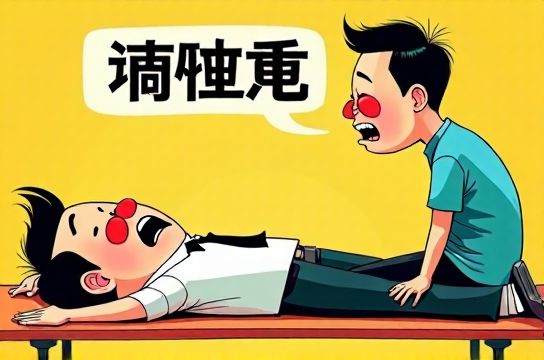
Unlike Western memes that often go viral for humor alone, Chinese netizens use irony, wordplay, and visual metaphors to comment on everything from the 996 work culture to housing crises—without directly breaking censorship rules.
The Art of Saying Nothing (But Meaning Everything)
Take the phrase “wǒ tài nán le” (I’m too difficult), which exploded in 2019. On the surface, it’s a funny expression of frustration. But paired with images of a sweating office worker or a drowning man holding a tiny lifebuoy, it captures the overwhelming pressure of urban life.
Another favorite? The “lying flat” (tǎng píng) movement. Originating from a 2021 post where a young man declared he’d stop chasing societal expectations, this meme became a symbol of quiet rebellion against overwork and unaffordable homes.
Data Doesn’t Lie: The Real Story Behind the Jokes
Why do these memes resonate so deeply? Let’s look at the numbers:
| Metric | China | Global Average |
|---|---|---|
| Avg. Work Hours/Year | 2,100 | 1,750 |
| Housing Price-to-Income Ratio (Tier 1 Cities) | 40:1 | 8:1 |
| Youth Unemployment Rate (2023 peak) | 21.3% | 11.2% |
| % Under 35 who feel 'high stress' | 76% | 54% |
These stats explain why memes about exhaustion, failure, and escape spread like wildfire. They’re not just jokes—they’re emotional relief valves.
The Visual Codebook: Decoding the Symbols
- Frog in a Well: Represents limited worldview under propaganda.
- Grass Mud Horse: Sounds like a curse word in Mandarin—used to mock censorship.
- Purple Emperor (Jinping): A subtle, often blurred figure in satirical comics.
- Hardcore (Nèiháng): Praises survival skills in brutal systems.
Platforms like Douban, Bilibili, and Weibo are hotbeds for this coded humor. But watch out—one wrong emoji can get your account suspended.
Why This Matters Beyond the Laughs
Chinese memes aren’t just coping mechanisms; they’re shaping a new kind of public opinion. When direct protest is risky, satire becomes the voice of the voiceless. And as global audiences catch on, these memes are crossing borders—sparking conversations about freedom, labor, and mental health.
So next time you see a panda crying over a bowl of instant noodles, don’t just laugh. Read between the lines. Because in China’s digital underground, a meme might be the truest thing you’ll read all day.