
The Psychology Behind Chinese Online Slang Evolution
- Date:
- Views:292
- Source:The Silk Road Echo
If you've ever scrolled through a Chinese social media feed and felt like everyone was speaking a secret code, you're not alone. From 打工人 (dǎgōng rén – 'laborer') to 内卷 (nèijuǎn – 'involution'), Chinese netizens have mastered the art of turning societal pressures into viral slang. But what's really behind this linguistic evolution? Let’s dive into the psychology fueling China’s digital dialect.
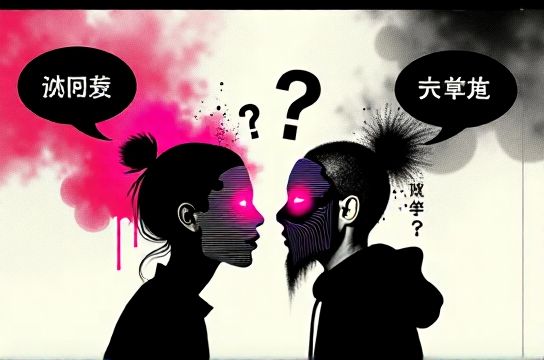
The Emotional Engine: Stress, Humor, and Identity
Chinese online slang isn’t just playful wordplay—it’s a coping mechanism. In a hyper-competitive society, young people use humor to process anxiety about work, relationships, and future prospects. Take 躺平 (tǎngpíng), meaning 'to lie flat,' which went viral as a protest against overwork culture. It’s not laziness; it’s emotional resistance wrapped in irony.
Linguists note that self-deprecating terms like 社恐 (shèkǒng – social anxiety) or 废柴 (fèichái – 'waste wood,' i.e., loser) help users reclaim stigma. By naming their struggles, they gain control. As one Weibo user put it: 'Calling myself a 打工人 makes the grind feel shared, not lonely.'
Data Snapshot: Top 5 Viral Terms & Their Rise
Here’s a look at how quickly these phrases spread across platforms like WeChat, Weibo, and Douyin:
| Slang Term | Literal Meaning | Psychological Theme | Search Volume Growth (2020–2023) |
|---|---|---|---|
| 躺平 (tǎngpíng) | lie flat | resistance to burnout | +380% |
| 内卷 (nèijuǎn) | involution | competition fatigue | +520% |
| 打工人 (dǎgōng rén) | laborer | shared struggle | +410% |
| 社恐 (shèkǒng) | social fear | anxiety normalization | +290% |
| 破防 (pòfáng) | break defense | emotional vulnerability | +350% |
Source: Baidu Index & Sina Data Lab (2023)
Why It Spreads: The Role of Algorithms and Anonymity
China’s tightly regulated internet paradoxically fosters creative expression. When direct criticism is risky, coded language thrives. Platforms like Zhihu and Xiaohongshu amplify slang through recommendation algorithms that reward engagement. A single meme using emo了 ('I’m emotional') can reach millions in hours.
Anonymity also plays a role. Behind avatars and pseudonyms, users feel safer exposing vulnerability. This digital safe space encourages authenticity—even when wrapped in sarcasm.
Cultural Impact: From Meme to Mainstream
What starts online often spills into real life. Brands now use 打工人 in ad campaigns. Psychologists discuss 内卷 in public forums. Even state media has referenced 躺平, attempting to reframe it as 'temporary rest' rather than rebellion.
This shows how online slang shapes national discourse. It’s not just youth talk—it’s a barometer of collective mood.
Final Thoughts: More Than Just Words
Chinese internet slang reflects a generation navigating pressure with creativity and resilience. Each term is a psychological breadcrumb—revealing stress, solidarity, and silent defiance. As long as societal tensions exist, language will evolve to carry the weight. And maybe, just maybe, give us a laugh while we cope.