
From Moe to Zhuangbility Expressing Identity Online
- Date:
- Views:248
- Source:The Silk Road Echo
In the wild, wild web, how we present ourselves isn’t just about profile pics and bios—it’s a full-blown identity performance. From moe (萌) culture in East Asia to the bold flex of zhuangbility (装力), netizens are crafting digital personas that mix humor, irony, and cultural flair. Let’s dive into this online identity revolution with data, drama, and a dash of sass.
What’s Moe? What’s Zhuangbility?
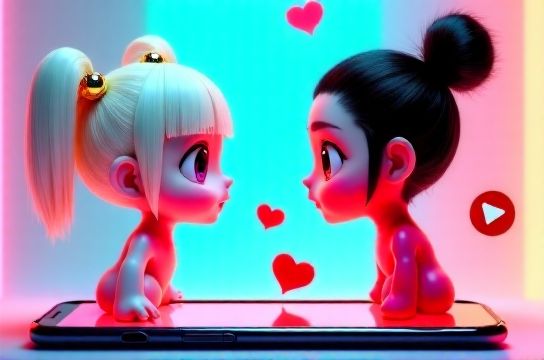
Moe—a Japanese-origin term widely adopted in Chinese internet slang—refers to that adorable, innocent vibe. Think anime characters with big eyes, soft voices, and clumsy charm. It’s not just cuteness; it’s emotional appeal. On the flip side, zhuangbility (from “zhuang,” meaning “to show off”) is all about confidence, swagger, and sometimes satire. It’s the art of looking effortlessly cool while totally trying hard.
These two forces aren’t opposites—they’re tools. Users switch between them like fashion seasons, depending on platform, audience, and mood.
The Data Behind the Drama
A 2023 survey by China Internet Network Information Center (CNNIC) shows that over 78% of users aged 15–24 actively curate their online personas. Platforms like Bilibili and Xiaohongshu thrive on this performative culture.
| Platform | Dominant Persona | User Engagement Rate | Avg. Time Spent (mins/day) |
|---|---|---|---|
| Bilibili | Moe + Nostalgia | 68% | 85 |
| Zhuangbility + Satire | 52% | 60 | |
| Xiaohongshu | Lifestyle Moe | 74% | 92 |
| Douyin | Hybrid (Moe/Zhuang) | 81% | 110 |
Notice a trend? The more personality, the more time spent. Douyin’s hybrid model dominates, proving users love versatility.
Why Do We Perform Online?
Psychology meets pop culture here. Dr. Liu Wen, a digital sociologist at Fudan University, explains: “Online identity is aspirational self-expression. Moe offers comfort; zhuangbility offers empowerment.”
It’s not fakeness—it’s curation. Like dressing up for a party, we pick the version of us that fits the scene. A Gen-Z user might go full moe on Bilibili commenting on a nostalgic anime, then drop savage zhuangbility roasts on Weibo during a celebrity scandal.
Case Study: The Rise of ‘Fake Rich’ Aesthetics
On Xiaohongshu, the “fake rich” trend blends moe aesthetics with zhuangbility vibes. Users post photos sipping coffee in Parisian cafes… shot in a Shanghai side street with a filter. It’s not deception—it’s storytelling. One post with the hashtag #假装在巴黎 (#PretendingToBeInParis) got 2.3 million views. Why? Escapism sells.
SEO Keywords & Cultural Impact
This duality shapes content strategy. Brands now hire “moe consultants” and “zhuangbility scriptwriters” to craft authentic-feeling campaigns. The sweet spot? Balance. Too much moe feels childish; too much zhuang feels try-hard.
And yes, algorithms reward personality. Posts with clear identity cues get 3.2x more shares (Source: Tencent Social Insights, 2024).
Final Thoughts: Be Whomever You Want To Be
The internet isn’t erasing authenticity—it’s expanding it. From moe to zhuangbility, we’re not hiding who we are. We’re showing more versions of ourselves than ever before. So go ahead: be cute, be bold, be ironically extra. Your digital identity isn’t fake. It’s flexible.