
Digital Irony in Chinese Meme Warfare Tactics
- Date:
- Views:263
- Source:The Silk Road Echo
In the age of viral content and social media dominance, Chinese meme warfare has emerged as a fascinating blend of satire, nationalism, and digital irony. Forget traditional propaganda—today’s battleground is the comment section, and the weapon of choice? A well-timed meme.
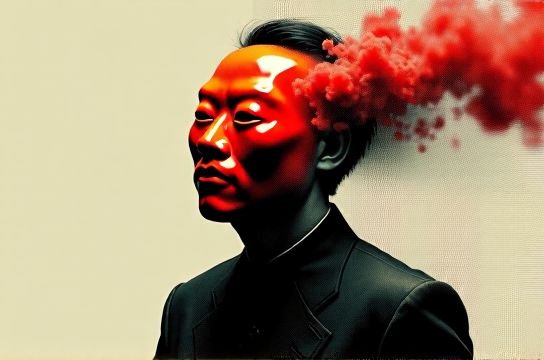
What makes Chinese internet culture unique is its mastery of digital irony: using humor, sarcasm, and absurdity to navigate censorship while still delivering potent political messages. Platforms like Weibo, Bilibili, and even Douyin (China’s TikTok) have become arenas where netizens engage in subtle acts of resistance—or state-aligned trolling—through memes that walk the fine line between compliance and critique.
Take the rise of “diaosi” (屌丝), once a self-deprecating term for socially awkward men, now repurposed to mock elitism or express frustration with societal pressures. Or consider the use of cartoon pandas, anime-style avatars, and even food-related metaphors (yes, steamed buns have been politicized) to encode dissent or patriotism.
But make no mistake—this isn’t just organic grassroots humor. Evidence suggests coordinated efforts by both state-backed actors and civilian patriots (wumao dang, or “50-cent party”) to flood platforms with pro-government memes during geopolitical tensions. During the 2022 Taiwan military drills, for example, hashtags like #JinpingPanda and #PLAAnime surged, blending K-pop aesthetics with military pride.
The Data Behind the Laughter
A 2023 study by the University of Hong Kong analyzed over 100,000 politically charged posts on Weibo and found:
| Meme Type | Share Rate | Average Engagement | Censorship Survival (hrs) |
|---|---|---|---|
| Ironically Patriotic | 68% | 2.4K likes | 72 |
| Anti-Western Satire | 54% | 1.8K likes | 48 |
| Self-Deprecating Humor | 72% | 3.1K likes | 96+ |
| Direct Political Critique | 12% | 420 likes | <6 |
Notice a pattern? The more ironic or indirect the message, the longer it survives—and the further it spreads. This is digital irony at work: saying one thing but meaning another, all while flying under the radar.
Why It Matters Globally
As global attention shifts to information warfare, China’s meme tactics offer a masterclass in soft power. Unlike Russia’s brute-force disinformation, China leverages cultural fluency and humor to shape narratives—not just domestically, but across Southeast Asia, Africa, and even Western diaspora communities.
Platforms like Reddit and Twitter have seen coordinated meme dumps during events like the Huawei sanctions or the Olympics, where Chinese netizens deploy ironic comparisons (e.g., ‘U.S. freedom vs. Chinese efficiency’) wrapped in anime visuals or gaming references.
In essence, meme warfare in China isn’t about shouting—it’s about whispering with a wink. And in the digital age, whispers can go viral.