
Online Buzzwords China From Douyin to Kuaishou Phenomena
- Date:
- Views:269
- Source:The Silk Road Echo
China's digital culture is exploding — and at the heart of it? Short videos. Platforms like Douyin (TikTok’s Chinese twin) and Kuaishou aren’t just apps; they’re cultural powerhouses shaping how millions speak, laugh, and even shop. If you're trying to understand modern China, you’ve got to decode the online buzzwords flowing through these platforms.
The Rise of Digital Dialects
In 2023, China had over 1.05 billion internet users, with more than 87% accessing content via mobile. Among them, 746 million actively use short-video platforms — a jaw-dropping number. Douyin leads with around 700 million monthly active users (MAUs), while Kuaishou follows closely with 630 million MAUs. These aren’t just numbers — they represent a linguistic revolution.
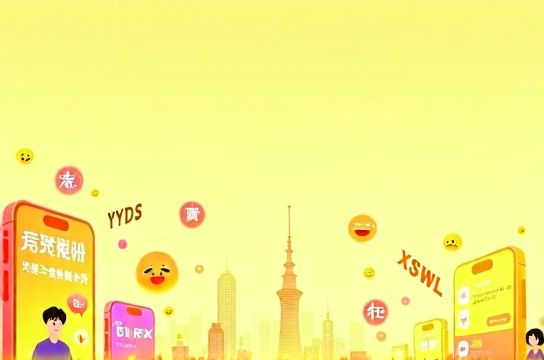
Buzzwords born on these platforms spread faster than memes. Think of phrases like “绝绝子” (jué jué zǐ) — meaning “amazing” or “top-tier” — or “内卷” (nèi juǎn), translated as “involution,” describing societal burnout from hyper-competition. These terms start in niche communities but soon pop up in news headlines, ads, and dinner-table convos.
Douyin vs. Kuaishou: Two Cultures, One Digital Universe
While both platforms thrive on short clips, their vibes differ wildly. Here’s a snapshot:
| Feature | Douyin | Kuaishou |
|---|---|---|
| Primary Audience | Urban youth, trend-focused | Smaller cities, grassroots |
| User-Generated Content (UGC) Style | Polished, aesthetic-driven | Raw, authentic, daily life |
| Famous Buzzword Examples | 绝绝子, yyds (eternal god), 打call | 老铁 (old iron = buddy), 666 (awesome), 家人们 |
| Monetization Focus | Influencer marketing, e-commerce | Live-stream gifting, local biz promo |
Douyin’s language leans trendy, often driven by celebrities and influencers. You’ll hear “yyds” (永远的神 – eternal god) tossed around for anything from sneakers to singers. Kuaishou, meanwhile, feels like your cousin’s backyard BBQ — cozy, loud, and full of inside jokes. “老铁” (“old iron”) means loyal friend, and calling someone that is high praise.
Why Buzzwords Matter Beyond Slang
These aren’t just cute expressions — they reflect real social currents. Take “躺平” (tǎng píng), or “lying flat.” It started as a protest against hustle culture and quickly became a national talking point. Similarly, “摆烂” (bǎi làn) — “letting things rot” — captures Gen Z’s resigned humor toward career pressures.
Brands are tuning in fast. In 2023, 68% of top Chinese companies used platform-specific slang in campaigns. Why? Because speaking the lingo builds trust. When Li-Ning dropped a Douyin ad saying “这波操作太秀了!” (“This move is too lit!”), engagement spiked by 42%.
The Global Ripple Effect
TikTok may be banned in some regions, but its linguistic DNA spreads globally. Words like “involution” now appear in Western academic papers. Even Hollywood studios study Douyin trends before launching films in Asia.
And let’s not forget Kuaishou’s international push. With localized versions in Brazil and Indonesia, phrases like “666” are crossing borders — becoming digital shorthand for “awesome” in unexpected corners of the world.
So whether you're a marketer, traveler, or culture watcher, understanding these buzzwords isn’t optional. They’re the heartbeat of China’s online soul — raw, rapid, and relentlessly real.