
Understanding Online Buzzwords China Social Media Craze
- Date:
- Views:262
- Source:The Silk Road Echo
Ever scrolled through Chinese social media and felt like everyone’s speaking a whole new language? You’re not alone. From neijuan (involution) to tanping (lying flat), China’s internet slang is evolving faster than you can say 'WeChat moment'. These aren’t just passing fads—they reflect real societal shifts, youth culture, and digital identity in modern China.
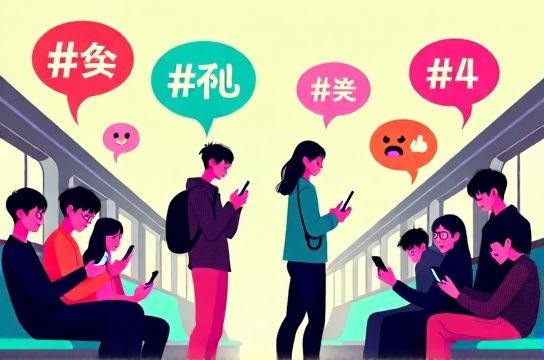
So what’s behind this linguistic explosion? Let’s dive into the most viral buzzwords, decode their meanings, and explore why they matter.
The Rise of Internet Slang in China
China boasts over 1.05 billion netizens, with platforms like Weibo, Douyin (TikTok), and Xiaohongshu driving daily conversations. In such a fast-paced digital ecosystem, users create shorthand expressions to convey complex emotions quickly—often laced with sarcasm, humor, or social critique.
These terms often originate from memes, TV shows, or public debates before going mainstream. Some even make it into official dictionaries. For example, neijuan was added to the Contemporary Chinese Dictionary in 2023.
Top 5 Viral Buzzwords Explained
| Buzzword | Literal Meaning | Cultural Context | Usage Example |
|---|---|---|---|
| Neijuan (内卷) | Involution | Excessive competition with no real gain; burnout culture | 'Working 12-hour days for promotion? Total neijuan.' |
| Tanping (躺平) | Lying flat | Rejecting hustle culture; opting out of societal pressure | 'I quit my job to tanping—no more rat race.' |
| 996 | 9 am–9 pm, 6 days a week | Grueling work schedule common in tech firms | 'Startups glorify 996, but it’s just legal exploitation.' |
| Daziwo (打工人) | Working stiff / laborer | Sarcastic self-label for wage slaves | 'Another Monday, another day as a daziwo.' |
| Fanshu (反卷) | Anti-involution | Actively resisting overwork and competition | 'I exercise, meditate, and fanshu—mental health first.' |
Why These Words Matter
Beyond being catchy, these terms reveal deep anxieties among China’s youth. A 2023 survey by Peking University found that 68% of urban millennials feel trapped by work pressure, while 45% admit considering 'tanping' as a lifestyle choice.
They’re also forms of soft resistance. Unable to openly criticize systemic issues, young people use irony and wordplay to express frustration—making buzzwords both a coping mechanism and a cultural movement.
How Brands Are Riding the Wave
Smart marketers aren’t ignoring this trend. Companies like Li-Ning and HeyTea have used daziwo in ad campaigns, positioning their products as companions for the 'struggling yet resilient' generation. Even state media has referenced tanping—though often to discourage it.
But authenticity matters. Forced usage feels cringey. As one netizen put it: 'When your mom says “neijuan,” you know it’s already dead.'
Final Thoughts
Chinese internet slang isn’t just about being trendy—it’s a mirror of society. Whether you're researching youth culture, marketing to Gen Z, or just trying to keep up with online chatter, understanding these buzzwords gives you real insight into the Chinese mindset.
So next time you see tanping trending, don’t scroll past. Pause. Reflect. Maybe even lie down for a sec. After all, we’re all just daziwo surviving the neijuan.