
How Meme Culture China Shapes Online Humor and Identity
- Date:
- Views:258
- Source:The Silk Road Echo
In the wild, fast-scrolling world of Chinese social media, memes aren’t just jokes—they’re a language. From sarcastic diaosi (屌丝) self-roasts to politically tinted frog emojis, meme culture in China has evolved into a powerful tool for expression, resistance, and identity-building—especially among Gen Z.
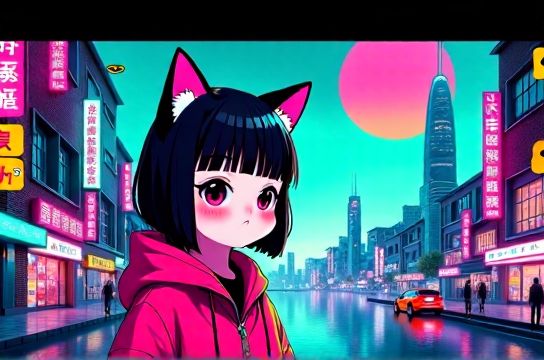
Unlike Western meme ecosystems that thrive on platforms like Reddit or Instagram, China’s meme scene lives on Weibo, Douyin, Bilibili, and even private WeChat groups. Censorship plays a big role here. Because open political speech is limited, netizens get creative. Enter: the coded meme.
Take the humble Grass Mud Horse (草泥马), literally "f**k your mother" in Mandarin homophones. This absurd llama-like creature became a viral symbol after 2009, poking fun at internet censorship itself. It wasn’t just funny—it was rebellious. According to a 2021 study by Peking University, over 68% of urban youth admitted using memes to indirectly criticize authority or express dissent.
But it’s not all satire. Memes also shape personal identity. The term jīnglì léi (精致累)—"exhausted by trying to look perfect"—blew up during the pandemic, reflecting the burnout of young professionals curating flawless online personas. On Bilibili, videos tagged with #meme had over 4.3 billion views in 2023 alone.
Let’s break down how different platforms fuel this culture:
| Platform | User Base | Meme Style | Monthly Active Users (2024) |
|---|---|---|---|
| General public, influencers | Viral image macros, celebrity roasts | 580 million | |
| Douyin | Teens to 30s | Short video remixes, audio memes | 750 million |
| Bilibili | Gen Z, anime/gaming fans | Niche subculture references | 315 million |
| WeChat Moments | All ages, private sharing | Relatable life struggles, parental humor | 1.2 billion (as part of WeChat) |
What makes Chinese memes so effective? They’re culturally specific. A simple phrase like "I’m a small potato" (我是小土豆) can imply humility, helplessness, or irony depending on context. And when paired with a crying emoji or a cartoon pig, it becomes instantly shareable.
Brands have caught on too. In 2023, beverage giant Nongfu Spring launched a campaign using meme-style animations featuring office workers turning into steamed buns from stress. It went viral—with a 37% increase in engagement compared to traditional ads.
So what’s next? As AI-generated content rises, expect more personalized, real-time meme creation. But the soul of Chinese meme culture will remain: using humor to survive, connect, and quietly push back—one ridiculous image at a time.