
Decoding Chinese Buzzwords From Douyin to Daily Conversations
- Date:
- Views:290
- Source:The Silk Road Echo
If you've scrolled through Douyin (China's TikTok) or chatted with a Mandarin-speaking friend lately, you’ve probably heard phrases like “内卷” or “躺平” — words that sound simple but carry deep social meaning. These aren’t just trendy slang; they’re cultural snapshots of modern China’s mindset. Let’s dive into the most viral Chinese buzzwords, decode their origins, and see how they reflect real-life pressures and attitudes.
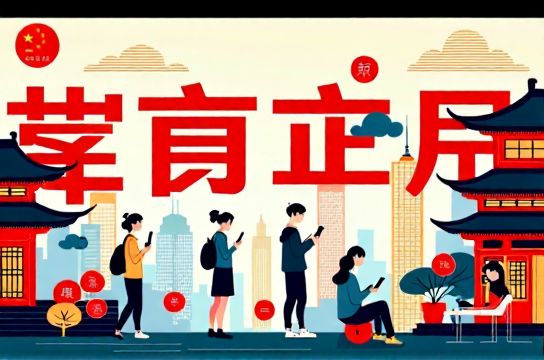
Why Are These Words So Popular?
In a fast-paced society where competition is fierce and work-life balance is fragile, young Chinese netizens use clever, ironic language to express frustration, humor, and resistance. Platforms like Douyin, Weibo, and Xiaohongshu amplify these terms, turning them into nationwide conversations.
Top 5 Must-Know Chinese Buzzwords in 2024
1. 内卷 (Nèijuǎn) – Involution
Literally meaning “involution,” this term describes a situation where people work harder than ever but gain no real progress—like running on a treadmill. It’s commonly used to criticize cutthroat academic and workplace environments.
Example: “加班到凌晨还拿不到升职?这就是内卷!” (Working late every night but still not getting promoted? That’s involution!)
2. 躺平 (Tǎngpíng) – Lie Flat
A direct response to nèijuǎn, “lie flat” is a lifestyle rebellion. It means opting out of societal pressure to overachieve. Instead of burning out, you choose minimal effort and peace.
Viral quote: “我不卷了,我选择躺平。” (I’m done competing. I choose to lie flat.)
3. 打工人 (Dǎgōngrén) – Laborer / Working Stiff
This self-deprecating term refers to anyone stuck in the daily grind. It’s often used with dark humor: “打工人,打工魂,打工都是人上人!” (Worker, worker soul, all workers are top-tier people!)
4. 破防 (Pòfáng) – Emotional Breakdown
Originally from gaming (breaking an opponent’s defense), it now means being emotionally overwhelmed—by sadness, cuteness, or nostalgia.
Usage: “看到那个流浪狗视频我直接破防了。” (I completely broke down watching that stray dog video.)
5. 绝绝子 (Juéjuézi) – Absolutely Amazing
A playful, exaggerated compliment. While once popular on Douyin, it’s now seen as cringey by some—kind of like saying “on fleek” in 2015.
Quick Reference Table: Chinese Buzzwords & Meanings
| Buzzword | Pinyin | Literal Meaning | Modern Usage | Popularity Score (2024) |
|---|---|---|---|---|
| 内卷 | Nèijuǎn | Involution | Excessive competition with no gain | ★★★★★ |
| 躺平 | Tǎngpíng | Lie Flat | Rejecting hustle culture | ★★★★☆ |
| 打工人 | Dǎgōngrén | Working Stiff | Sarcastic identity for office workers | ★★★★★ |
| 破防 | Pòfáng | Breach Defense | Emotional breakdown | ★★★★☆ |
| 绝绝子 | Juéjuézi | Ultra Ultra Child | Over-the-top praise (now outdated) | ★★☆☆☆ |
Cultural Insight: More Than Just Slang
These words aren’t just internet fads—they reveal generational shifts. A 2023 survey by China Youth Daily found that 68% of urban millennials feel “trapped by nèijuǎn,” while 45% admit to embracing tǎngpíng ideals at least occasionally.
Understanding these terms helps you grasp not only the language but also the mood of today’s China. Whether you're learning Mandarin, doing business, or just curious, speaking the same cultural language builds deeper connections.
Final Thoughts
Next time you hear “我今天彻底躺平了,” don’t just translate it—feel it. Language evolves with society, and in China, buzzwords are the heartbeat of youth culture. Stay updated, stay empathetic, and maybe… let yourself lie flat once in a while.