
Meme Culture China How Viral Humor Reflects Society
- Date:
- Views:262
- Source:The Silk Road Echo
In the fast-paced digital era, meme culture in China has exploded beyond simple jokes—it's now a mirror reflecting social anxieties, generational shifts, and even political undercurrents. From diaosi ("loser") self-roasting to sarcastic office worker rants, Chinese netizens use humor to cope with real-life pressures. Platforms like Weibo, Douyin, and Bilibili aren’t just for entertainment—they’re cultural battlegrounds where memes become social commentary.
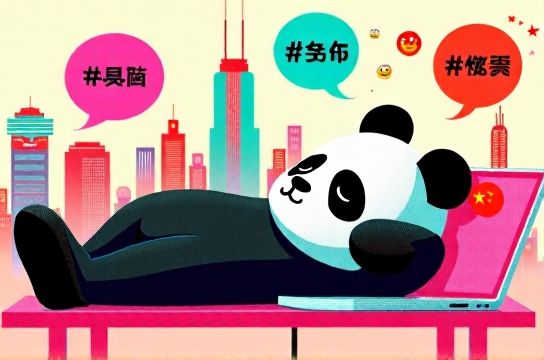
Take the viral phrase “Tang Ping” (躺平), meaning “lying flat.” It started as a meme mocking overwork culture but quickly evolved into a youth-led resistance movement against the 996 work schedule (9 AM–9 PM, 6 days a week). According to a 2023 survey by iResearch, over 68% of urban millennials said they’ve used or shared "Tang Ping" content—proof that memes aren’t just laughs; they’re lifestyle statements.
The Data Behind the Laughs
Memes spread fast in China’s tightly controlled internet ecosystem. Here’s a snapshot of how different meme types perform:
| Meme Type | Average Shares (Weibo) | Engagement Rate | Top Platform |
|---|---|---|---|
| Social Critique | 42,000 | 7.8% | |
| Self-Deprecating | 58,300 | 9.2% | Douyin |
| Political Satire (coded) | 12,500* | 3.1% | Bilibili |
| Cute Animal Parody | 75,200 | 11.4% | Kuaishou |
*Due to censorship, political satire spreads through subtle imagery and homophones—like using the word "harmony" (和谐) to mock internet censorship.
Why do self-deprecating memes dominate? Because in a society obsessed with success, laughing at failure is liberating. The "Buddhist Youth" (Fojing Nianqingren) trend encourages detachment from ambition—paired with cute cartoon frogs sipping tea, it’s humor with a philosophy.
From Keyboard to Culture
Brands noticed. In 2022, beverage giant Nongfu Spring launched a campaign featuring "diaosi" characters enjoying nature—sparking debate but boosting sales by 15%. Meme-savvy companies win trust by speaking the people’s language.
Yet, there’s risk. When a meme crosses censorship lines—like comparing leaders to cartoon animals—it vanishes overnight. The Great Firewall doesn’t joke around. But clever netizens adapt: using puns, ancient poetry references, or AI-generated art to bypass filters.
In essence, Chinese meme culture is resilience wrapped in absurdity. It’s not just about being funny—it’s about surviving stress, critiquing power, and building community in a high-pressure world. As long as society keeps pushing, memes will keep pulling back—with laughter, yes, but also with meaning.