
Explaining Chinese Buzzwords From Wanghong to Neijuan Understanding the Meaning Behind Popular Online Terms
- Date:
- Views:219
- Source:The Silk Road Echo
If you've spent any time scrolling through Chinese social media—whether it's Weibo, Xiaohongshu, or Douyin—you've probably come across terms like Wanghong, Neijuan, or Tangping. These aren't just slang; they're cultural snapshots of modern China's youth, work culture, and digital life. Let’s break down what these buzzwords really mean—and why they matter.
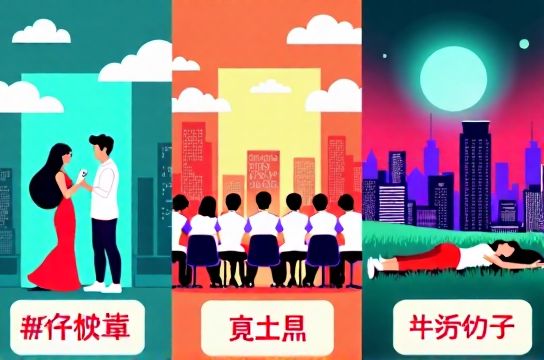
What Is 'Wanghong'? It’s More Than Just an Influencer
The term Wanghong (网红), literally meaning “internet-famous,” refers to people who gain fame online—think influencers, livestreamers, or viral content creators. But in China, being a wanghong is a full-blown industry. In 2023, China's wanghong economy was valued at over $42 billion, with top stars earning millions per endorsement.
Platforms like Douyin (TikTok) and Kuaishou fuel this trend, where short videos can launch someone from obscurity to stardom overnight. But behind the glamor? Intense competition and burnout.
Neijuan: The Burnout Epidemic
Neijuan (内卷), or “involution,” describes a situation where people work harder but get no real reward—like everyone studying 16 hours a day just to stay average. It’s the academic rat race, the 996 work culture (9 AM–9 PM, 6 days a week), and the feeling that no matter how hard you try, you’re not getting ahead.
A 2022 survey by Zhaopin showed that 65% of young professionals in China feel trapped in neijuan. This pressure has sparked a quiet rebellion: the Tangping (“lying flat”) movement, where people opt out of the grind to live simpler, less stressful lives.
Lying Flat vs. Getting Fired: Two Sides of Resistance
While tangping promotes minimalism and disengagement, another term—Beiju (被狙), meaning “getting fired” or “career sabotage”—reflects growing job insecurity. Some workers now practice quiet quitting, doing the bare minimum to avoid burnout.
But make no mistake: these aren’t signs of laziness. They’re responses to systemic pressures in education, employment, and urban living costs.
Quick Guide to Key Chinese Buzzwords
| Buzzword | Literal Meaning | Cultural Significance | Example Usage |
|---|---|---|---|
| Wanghong | Internet Red (famous) | Digital fame economy | "She became a wanghong selling skincare on Douyin." |
| Neijuan | Involution | Excessive competition with no gain | "Studying all night just to keep up—that’s neijuan." |
| Tangping | Lying Flat | Rejecting societal pressure | "I quit my job to tangping and grow vegetables." |
| Zaoan | Get Up Early | Anti-tangping; hustle culture | "Stop lying flat—zaoan and chase your dreams!" |
These words don’t just trend—they tell stories. They reflect a generation navigating economic uncertainty, digital overload, and the search for meaning beyond success metrics.
Why Should You Care?
Understanding these terms gives you insight into China’s evolving social psyche. Whether you're a marketer targeting Gen Z, a traveler curious about local culture, or just a global citizen keeping up with digital trends, knowing wanghong from neijuan helps you connect deeper.
So next time you hear "I’m tangping today," don’t assume laziness. Maybe they’re just surviving neijuan—one deep breath at a time.