
Decoding Online Buzzwords China Behind the Memes and Laughter
- Date:
- Views:263
- Source:The Silk Road Echo
If you've ever scrolled through Chinese social media and felt like everyone was speaking a secret code, you're not alone. From neijuan (内卷) to tang ping (躺平), China's internet is bursting with viral slang that's equal parts hilarious, sarcastic, and deeply revealing of societal shifts.
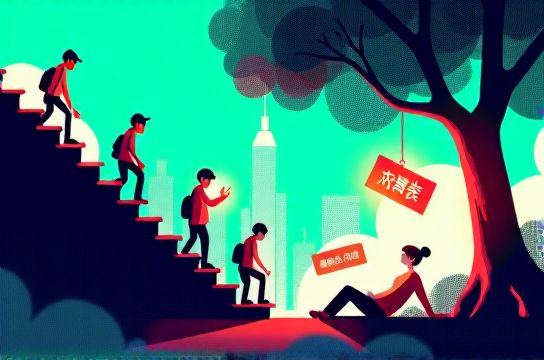
These aren’t just jokes—they’re cultural snapshots. Let’s dive into the most iconic buzzwords, decode their meanings, and uncover what they say about modern Chinese youth culture.
What Are Chinese Internet Buzzwords?
Chinese netizens are masters of linguistic creativity. Faced with censorship and a desire for self-expression, they’ve crafted a vibrant lexicon using puns, homophones, and irony. These terms often go viral on platforms like Weibo, Douyin, and Xiaohongshu, spreading faster than official news.
Top 5 Viral Buzzwords Explained
Here’s a breakdown of the most talked-about terms shaping online discourse:
| Buzzword | Literal Meaning | Cultural Context | Year Peaked |
|---|---|---|---|
| Tang Ping (躺平) | Lying Flat | Rejecting societal pressure to overwork; opting for minimalism and peace | 2021 |
| Neijuan (内卷) | Involution | Excessive competition with no real gain—like studying 18 hours a day just to stay average | 2020 |
| Fanshu (反卷) | Anti-involution | Actively resisting burnout culture through hobbies, travel, or quitting jobs | 2022 |
| Daziwoji (打工人) | Working Stiff | Sarcastic term for wage slaves; blends humor with resignation | 2020 |
| Woju (我just) | I just... | Mix of English and Chinese; expresses helplessness (“I just wanted a break!”) | 2023 |
Why Do These Words Go Viral?
It’s simple: they resonate. A 2023 survey by Peking University found that 68% of urban millennials identify with tang ping at least occasionally. Meanwhile, searches for “neijuan” spiked by 420% year-over-year during exam seasons.
These terms act as emotional release valves. When real wages stagnate and housing prices soar, laughing at your struggles becomes survival.
The Dark Side of the Joke
Don’t be fooled by the memes. Behind the laughter is anxiety. The term 996 (working 9 AM to 9 PM, 6 days a week) sparked national debate—and was later deemed illegal by courts. Yet many still live it.
And while tang ping sounds peaceful, it’s often misinterpreted. It’s not laziness—it’s a protest against a system where effort no longer guarantees reward.
How Brands Use These Trends
Smart companies jump on the bandwagon. In 2022, beverage brand Yuanqi Forest launched a “Lie-Flat Summer” campaign, selling chilled drinks with slogans like “No KPIs, Just Chill.” Sales rose 37% in three months.
But missteps happen. When a luxury car ad mocked daziwoji, users roasted the brand online—proving these words aren’t trends to exploit, but identities to respect.
Final Thoughts: More Than Just Slang
China’s online buzzwords are more than internet humor—they’re social commentary wrapped in wit. They reflect a generation navigating economic pressure, mental health, and identity in a rapidly changing world.
So next time you see “tang ping,” don’t just laugh. Think about what it really means: a quiet rebellion, spoken in memes.