
Exploring Meme Culture China and Digital Humor Shifts
- Date:
- Views:352
- Source:The Silk Road Echo
In the wild world of Chinese internet culture, memes aren’t just jokes — they’re a language. From diaosi (草根) to baozou manhua, meme culture in China has evolved into a powerful form of digital expression, blending satire, social commentary, and absurdism with lightning-fast viral energy.
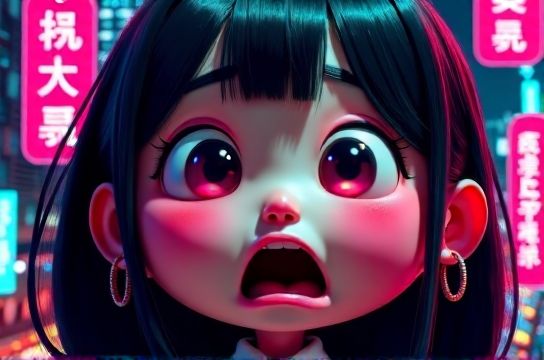
Unlike Western meme trends that often rely on image macros or reaction GIFs, Chinese memes thrive in unique ecosystems like Weibo, Douyin, and Bilibili. Platforms shape the humor: on WeChat Moments, it’s subtle sarcasm; on Bilibili, it’s anime-inspired irony layered with historical references.
Take the rise of “emo” frogs or the ‘Wan Neng Gou’ (Everything Dog) — a Shiba Inu lookalike who stares blankly at life’s chaos. These characters don’t just go viral; they become cultural metaphors. During economic downturns, netizens shared images of the dog sipping tea with the caption: ‘Ren sheng jiu zhe yang le, he ba.’ (Life is like this, drink up.) It’s humor as emotional survival.
Data shows meme engagement is soaring. A 2023 report by QuestMobile revealed that short videos containing meme elements accounted for over 40% of all user-generated content on Douyin. On Bilibili, meme-related tags like #RuinsOfTime and #MemeBattle pulled in more than 1.2 billion views last year.
| Platform | Meme-Related Monthly Views (2023) | Top Meme Format |
|---|---|---|
| Douyin | 8.7 billion | Reaction skits with dubbed audio |
| Bilibili | 6.2 billion | Anime remix + philosophical subtitles |
| 4.5 billion | Puns & political satire (coded) | |
| Kuaishou | 5.1 billion | Rural comedy sketches |
What makes Chinese meme culture so distinct? Censorship plays a role. Netizens use humor as a backdoor for critique. For example, calling someone a xiao guai shou (little monster) might seem innocent, but in context, it’s a dig at corrupt officials. Homophones and visual puns — like using the number 555 to mimic crying sounds — allow coded messaging.
The evolution is also generational. Gen Z favors absurdist edits — think Chairman Mao with cat ears set to EDM — while millennials lean into nostalgic formats like baozou comics. Yet both groups unite under shared frustration: job scarcity, housing pressure, and the infamous 996 work culture.
Brands have taken notice. In 2024, Li-Ning launched a meme-themed sneaker line featuring frog faces and ‘I’m not sad, I’m just leaking water’ slogans — a reference to crying emojis. It sold out in hours.
So what’s next? As AI tools lower creation barriers, expect even wilder mashups. But one thing’s clear: in China’s digital landscape, laughter isn’t just escape — it’s resistance, identity, and connection, all wrapped in a frog filter.