
Meme Culture China How Humor Spreads Online
- Date:
- Views:393
- Source:The Silk Road Echo
In the wild, fast-paced world of Chinese social media, memes aren’t just jokes—they’re cultural lightning rods. From diaosi (loser) rabbits to sarcastic pandas, meme culture in China has evolved into a sophisticated form of digital expression that blends satire, politics, and pop culture—all wrapped in absurd visuals.
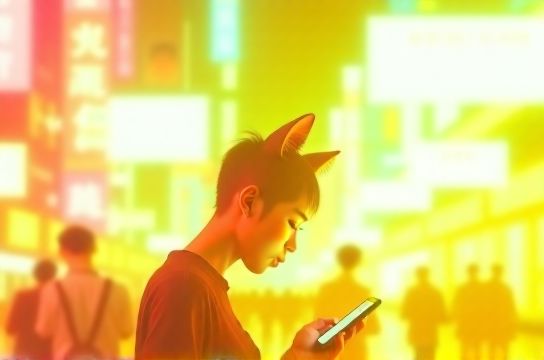
Unlike Western platforms where memes spread on Reddit or Twitter, China’s ecosystem runs on WeChat, Weibo, Douyin (TikTok’s twin), and Bilibili. Each platform shapes how humor evolves. For example, Bilibili thrives on anime-inspired remixes, while WeChat groups are ground zero for relatable office-life memes.
One major driver? Censorship. Because direct criticism is risky, netizens use irony and surreal imagery to comment on everything from housing prices to workaholic '996' culture. Take the 'Tang Ping' ('lie flat') movement—originally a meme about rejecting hustle culture—that went viral in 2021. It wasn’t just laziness; it was a quiet rebellion.
Let’s break down how memes go from niche joke to national phenomenon:
Top Platforms & Meme Velocity
| Platform | User Base (2024) | Meme Lifespan | Content Style |
|---|---|---|---|
| 580M | 3–7 days | Viral challenges, celebrity roasts | |
| Douyin | 750M | 1–3 days | Video skits, audio remixes |
| Bilibili | 315M | 2–4 weeks | Anime edits, ironic commentary |
| WeChat Groups | 1.3B+ | Indefinite (private sharing) | Relatable life rants, image macros |
Notice how Bilibili memes last longer? That’s because its users—mostly Gen Z and millennials—engage deeply with content through bullet comments (danmu) that float across videos in real time. This creates a shared viewing experience, turning inside jokes into community rituals.
And let’s talk numbers: a single meme format like the 'angry cat face' can spawn over 10,000 variations in a week. According to a 2023 report by Analysys, humorous content drives 40% of user engagement on short-video platforms in China.
But it’s not all fun and games. Memes walk a tightrope. In 2022, authorities cracked down on 'lowbrow humor' deemed socially destabilizing. Some meme templates were quietly erased—proof that even laughter has limits under digital governance.
So what makes a meme stick? Three ingredients: relatability, absurdity, and just enough subversion. A classic example is the 'Grass Mud Horse'—a pun on a vulgar phrase—symbolizing resistance through silliness. It became so iconic it spawned fake documentaries and plush toys.
Brands have caught on too. Companies like Li-Ning and Pinduoduo now use meme-savvy influencers to launch campaigns that feel organic, not corporate. One viral ad used a crying kitten meme to promote pet insurance—racking up 20M views in 48 hours.
In short, meme culture in China is more than comedy—it’s coded speech, emotional release, and identity-making. As long as people need to laugh (and vent), these digital jesters will keep evolving, one ridiculous image at a time.