
Explaining Chinese Internet Slang in 2024 Trends and Meanings
- Date:
- Views:228
- Source:The Silk Road Echo
If you've ever scrolled through a Chinese social media feed and felt like everyone was speaking a different language — welcome to the wild world of Chinese internet slang. In 2024, these quirky expressions aren't just for laughs; they're cultural fingerprints showing how young netizens express identity, humor, and even rebellion. Let’s dive into the most viral terms, their origins, and why they matter.
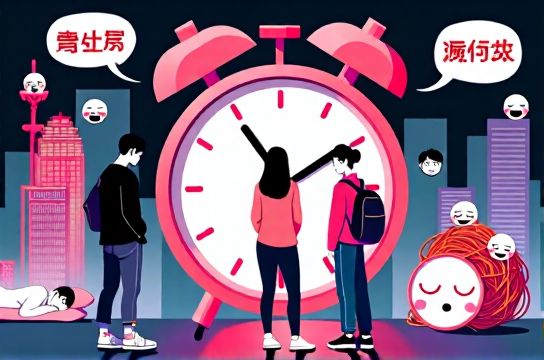
Why Chinese Net Slang Is Exploding in 2024
With over 1.05 billion internet users in China (CNNIC, 2024), digital culture evolves at lightning speed. Platforms like Douyin, Weibo, and Xiaohongshu act as slang incubators. Memes, voice filters, and AI-generated content amplify trends overnight. What starts as an inside joke can become national shorthand in days.
Top 5 Chinese Internet Slang Terms of 2024
Here are the phrases ruling feeds this year — with meanings, usage, and cultural context.
| Slang Term | Pinyin | Literal Translation | Actual Meaning | Usage Example |
|---|---|---|---|---|
| 社死 | shè sǐ | Social death | Extreme embarrassment in public | “Tripped on stage? Total she si moment.” |
| 躺平 | tǎng píng | Lie flat | Rejecting societal pressure to hustle | “Promotion? Nah, I’m tang ping now.” |
| 内卷 | nèi juǎn | Involution | Unhealthy competition with no real gain | “Working 80 hours a week for the same pay? Classic nei juan.” |
| 绝绝子 | jué jué zǐ | Amazing-son | Sarcastic or exaggerated praise | “Another bubble tea? Jue juezizi... again.” |
| 摆烂 | bǎi làn | Display rot | Deliberately doing poorly to avoid stress | “Deadline? I’m fully bai lan mode.” |
The Cultural Pulse Behind the Laughter
These terms aren’t random. They reflect real anxieties. Tang ping and nei juan emerged from youth burnout in hyper-competitive environments. Bai lan takes it further — not just disengagement, but proud underperformance. It’s Gen Z’s middle finger to toxic productivity.
Meanwhile, jue juezizi shows how irony thrives online. Once genuine praise, it’s now often used mockingly — think 'this is so bad, it’s good.' Slang becomes a shield, letting users critique society while staying playful.
How Brands Are Riding the Wave
Smart marketers get it. In 2024, companies like Li-Ning and HeyTea use slang in ads to feel relatable. A recent HeyTea campaign joked, “Too much nei juan? Time to tang ping with a mango slush.” Engagement jumped 37% vs. traditional slogans.
Pro Tip: Use Slang Wisely
Non-native speakers, beware: context is king. Calling your boss “bai lan” might not end well. These terms work best among peers or in casual digital spaces. When in doubt, observe first.
Final Thoughts
Chinese internet slang in 2024 is more than cute abbreviations — it’s a linguistic rebellion, a coping mechanism, and a cultural mirror. Whether you’re learning Mandarin or just curious about digital trends, understanding these phrases unlocks deeper insight into modern China’s heartbeat.
So next time you see “she si” in a comment, don’t panic. Just laugh — you’re witnessing language evolve in real time.