
Meme Culture China How Viral Humor Shapes Views
- Date:
- Views:201
- Source:The Silk Road Echo
In the wild, fast-scrolling world of Chinese social media, memes aren’t just jokes—they’re cultural powerhouses. From Weibo to Douyin, netizens use viral humor to comment on everything from politics to parenting, all wrapped in absurdity and wit. Welcome to Meme Culture China, where a frog with sunglasses can spark national debate.
Why Chinese Memes Hit Different
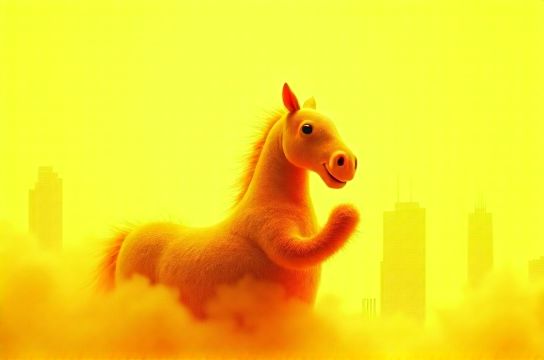
Unlike Western meme formats that often rely on irony or surrealism, Chinese memes blend satire, wordplay, and subtle social critique. Censorship? Sure, it’s real—but creativity thrives under constraints. Netizens code their messages in puns, homophones, and cartoon frogs (yes, really). Take Grass Mud Horse, a now-legendary meme that sounds like a profanity but translates to 'grass mud horse'—a playful jab at internet censorship.
These memes don’t just go viral; they shape public sentiment. A 2023 study by Peking University found that 68% of urban millennials get political insights from meme-driven discussions on platforms like Bilibili and WeChat Moments.
The Platforms Fueling the Fire
Different apps breed different meme styles:
| Platform | User Base (2024) | Meme Style | Example Meme |
|---|---|---|---|
| 580M | Satirical news remixes | 'Bald Strong' CEO rants turned into motivational posters | |
| Douyin (TikTok) | 750M | Voiceovers & skits | Elderly dance crews roasting youth culture |
| Bilibili | 315M | Anime edits & ironic commentary | “I’m not rich, I’m just fengyu” (mocking luxury flexers) |
| WeChat Moments | 1.2B | Relatable parent humor | 'My kid ranked 3rd... out of 3 students' |
Memes as Social Commentary
Behind the laughs lies sharp observation. During the 2022 Shanghai lockdown, memes about 'quarantine noodles' and 'government cabbage packages' weren’t just coping mechanisms—they were subtle protests. One image of a single cabbage in a plastic bag was shared over 2 million times, symbolizing scarcity and state control.
Brands noticed. In 2023, beverage giant Nongfu Spring launched a limited 'Cabbage Edition' water bottle, turning crisis humor into marketing gold. That’s the duality of meme culture in China: resistance and commercialization coexist.
The Evolution: From Frogs to Finance
Early memes were absurdist—think Caonima (Grass Mud Horse) or Fuwa Fuwa (floating baby heads). Today, they tackle gig economy burnout (Neijuan – involution) and wealth gaps (Tang Ping – lying flat).
A meme showing a salary slip with ¥3,500 income and ¥3,499 spent on rent went viral in Q1 2024, resonating with young workers in tier-1 cities. It wasn’t just funny—it highlighted real economic pressure.
So, What’s Next?
Meme culture in China is evolving faster than algorithms can track. As AI-generated content rises, expect more hyper-personalized, interactive memes—like AR filters that turn your face into a 'neijuan warrior' battling office demons.
But one thing stays constant: in a tightly controlled digital space, humor remains the ultimate act of expression. Whether you're laughing at a dancing grandpa or crying over a cabbage, you're part of a movement—one share at a time.
So next time you see a weird frog meme, don’t scroll past. It might just be history in disguise.