
How Meme Culture China Shapes Online Humor and Youth Identity
- Date:
- Views:220
- Source:The Silk Road Echo
In the digital age, meme culture in China has evolved from simple image macros into a powerful form of self-expression, especially among Gen Z. Far more than just jokes, Chinese internet memes blend satire, wordplay, and social commentary to reflect the mood of a generation navigating rapid urbanization, academic pressure, and economic uncertainty.
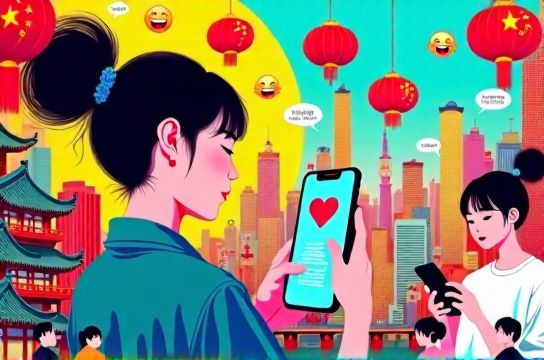
Unlike Western memes that often rely on absurdity or pop culture references, Chinese memes thrive on linguistic creativity—homophones, puns, and coded phrases help users bypass censorship while still delivering sharp critiques. Take ‘wànniàngé’ (the ‘lying flat’ brother), for example. This character embodies the anti-hustle sentiment sweeping youth who reject the 996 work culture. Or consider ‘Kuāng Xiǎo Míng’, a fictional student symbolizing academic burnout, widely shared during exam seasons.
Data shows meme engagement is soaring. A 2023 report by QuestMobile revealed that short-form video platforms like Douyin and Kuaishou see over 8.2 billion daily meme views, with users aged 18–24 making up 67% of creators.
| Platform | Daily Meme Views (Billions) | Top Age Group | Most Shared Theme |
|---|---|---|---|
| Douyin | 3.5 | 18–24 | Satirical life struggles |
| Kuaishou | 2.8 | 20–25 | Rural-urban humor |
| Bilibili | 1.2 | 16–22 | Anime-inspired sarcasm |
| 0.7 | 22–28 | Political satire (coded) |
Memes aren’t just entertainment—they’re identity markers. In classrooms and dorm chats, sharing the right meme signals cultural fluency. They also serve as emotional release valves. During the 2022 Shanghai lockdown, memes featuring ‘vegetable delivery warriors’ turned frustration into dark comedy, helping users cope with isolation.
But it’s not all fun and games. Authorities monitor meme trends closely. Terms like ‘táng píng’ (lying flat) and ‘nèijuǎn’ (involution) were censored after going viral, showing how humor can challenge state narratives about productivity and patriotism.
Still, young netizens adapt. New slang emerges overnight—like ‘fúsàng’ (literally ‘funeral burial’), describing emotional exhaustion through gothic irony. These memes create invisible communities, bonding strangers through shared fatigue and wit.
In essence, meme culture in China is more than online humor—it’s a subtle act of resistance, a mirror to societal stress, and a playground for identity. As long as youth face pressure, memes will keep evolving, speaking truth in emoji, doge faces, and carefully crafted homophones.