
Decoding Online Buzzwords China Behind the Memes and Slang
- Date:
- Views:283
- Source:The Silk Road Echo
Ever scrolled through Chinese social media and felt like everyone’s speaking a secret code? From dàwěn (drama) to zǎo ān lǎo tiě (good morning, bro), China’s internet slang is wild, fast, and full of flavor. But it’s not just random chaos—it’s culture, satire, and Gen Z rebellion packed into three-character phrases. Let’s dive into the digital underground of China’s online lingo.
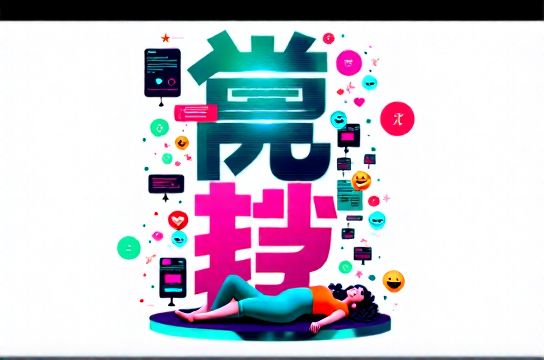
Why Is Chinese Internet Slang So Unique?
China’s web world is censored, creative, and hyper-local. With platforms like Weibo, Douyin, and Xiaohongshu dominating daily life, netizens have developed their own linguistic playground to dodge censorship and flex humor. These buzzwords aren’t just cute—they’re survival tools in a tightly regulated space.
Take 内卷 (nèijuǎn), or 'involution.' Originally an academic term, it now describes the soul-crushing rat race in jobs and education. A 2023 survey by Tencent showed that 68% of urban youth use 内卷 weekly—proof it’s more than slang; it’s a cultural diagnosis.
Top 5 Must-Know Chinese Internet Slang Terms
Here’s your cheat sheet to sounding like a local online:
| Slang Term | Pronunciation | Literal Meaning | Actual Use |
|---|---|---|---|
| 躺平 (tǎng píng) | tahng ping | lie flat | Rejecting hustle culture; opting out of stress |
| 社死 (shè sǐ) | sher sih | society death | Extreme embarrassment in public/social settings |
| yyds | why-why-dee-es | forever god | “You are the best!” (used for idols, food, pets… everything) |
| 破防 (pò fáng) | pwoh fang | break defense | Emotionally overwhelmed (like when a K-drama hits too hard) |
| 打工人 (dǎ gōng rén) | da gong ren | working person | Sarcastic self-label for office grinders |
The Secret Life of Abbreviations
Chinese netizens love shortening stuff. Why say five syllables when two will do? Abbreviations like xswl (笑死我了 = laughing dead me) or nss (你是谁 = who are you) fly across comment sections. It’s like texting hieroglyphs—but way funnier.
And don’t get us started on homophones. The number 520 sounds like “I love you” (wǔ èr líng ≈ wǒ ài nǐ), making it China’s unofficial digital Valentine. In 2022, Alipay reported over ¥5.2 billion in transactions on May 20 alone—call it love, call it marketing genius.
Memes with a Message
Beneath the laughs, these terms reflect real societal tension. 躺平 emerged after years of 996 work culture (9 AM–9 PM, 6 days/week). It’s not laziness—it’s quiet resistance. Similarly, 打工人 mocks corporate grind while bonding millions in shared struggle.
Even the government notices. State media once criticized 躺平 as “defeatist,” but the term stuck. That’s the power of meme culture: it gives voice where formal channels can’t.
How to Use These Words (Without Looking Lame)
- With friends: Drop “yyds” when your buddy nails a dance move.
- In comments: Say “破防了” under a touching pet video.
- At work: Maybe skip 躺平 in your performance review… unless you’re quitting.
Just remember: context is king. These words thrive in casual, emotional, or ironic moments—not board meetings.
Final Thoughts
Chinese internet slang isn’t just trendy—it’s a mirror. It shows how young people cope, connect, and critique in a high-pressure world. Next time you see “社死现场,” you’ll know it’s not just drama—it’s digital catharsis.
So go ahead, embrace the chaos. After all, we’re all just 打工人 trying not to 内卷 too hard.