
Online Buzzwords China Uncovered What Trending Terms Reveal About Society
- Date:
- Views:200
- Source:The Silk Road Echo
China’s internet culture is a wild ride. One minute, everyone’s obsessed with a new slang term; the next, it’s vanished into digital oblivion. But behind these viral buzzwords lies a goldmine of social insight. From economic stress to generational rebellion, trending phrases on platforms like Weibo and Douyin are more than just memes—they’re cultural fingerprints.
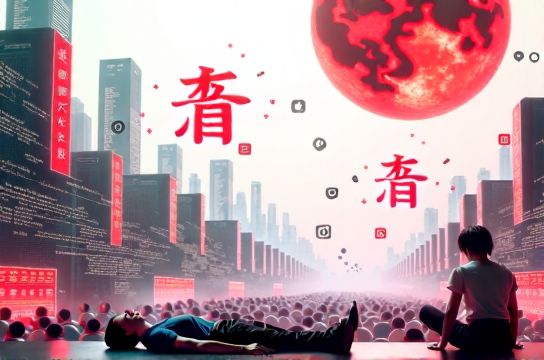
Take “involution” (内卷, nèijuǎn), for example. Originally an anthropological term, it now describes the exhausting rat race in China’s job market and education system. A 2023 survey by Zhaopin.com found that 67% of white-collar workers feel trapped in “involution,” working longer hours for stagnant pay. Then there’s “lying flat” (躺平, tǎngpíng)—the Gen Z backlash against overwork. It’s not laziness; it’s quiet resistance. As one netizen put it: “I’m not lazy. I just refuse to sprint in a race with no finish line.”
But how do these terms go viral? Let’s break it down:
The Lifecycle of a Chinese Internet Slang
| Stage | Description | Example |
|---|---|---|
| Emergence | Term coined in niche communities | “Tang Ping” first appeared on a Baidu Tieba forum |
| Viral Spread | Picked up by influencers and media | Douyin videos using “neijuan” hit 2.1B views in 2022 |
| Mainstream Adoption | Used in official media or ads | People's Daily editorial on “positive youth energy” |
| Decline | Overused or replaced | “Lying flat” softened into “standing slightly” (微躺) |
And let’s not forget “emo”—yes, borrowed from English but reinvented. In China, saying “I’m emo” isn’t about music; it’s a shorthand for emotional burnout. Tencent’s 2024 Youth Mental Health Report shows 58% of users aged 18–25 use “emo” weekly to express anxiety or loneliness.
These words aren’t random. They reflect real societal shifts. When “996 work culture” (9 AM to 9 PM, 6 days a week) sparked outrage, it wasn’t just about hours—it was a cry for dignity. Alibaba once defended it; now even state media calls it “exploitative.” That’s power.
Why Should You Care?
If you’re into marketing, sociology, or just curious about modern China, online slang is your secret decoder ring. Brands that tap into this language—like beverage company Yuanqi Forest using “anti-involution” in ads—see engagement jump by 40%, per iResearch data.
But beware: misuse can backfire. When a luxury brand dropped “tang ping” in a campaign, netizens roasted them: “You sell $1,000 handbags but want us to relate to quitting?” Authenticity matters.
In short, Chinese internet slang isn’t just playful wordplay. It’s protest, identity, and survival—all wrapped in irony and emoji. So next time you see “社死 (shè sǐ)” (social death) or “打工人 (dǎgōng rén)” (laborer, used self-deprecatingly), don’t just laugh. Listen. The internet is talking, and China’s soul is in the subtext.