
Meme Culture China How Online Humor Shapes Social Discourse
- Date:
- Views:272
- Source:The Silk Road Echo
In the fast-paced world of Chinese social media, memes aren’t just jokes—they’re a language of resistance, identity, and cultural commentary. From diaosi (loser) self-deprecation to sarcastic cartoon frogs like Caocao, meme culture in China has evolved into a powerful tool for navigating censorship, expressing dissent, and building online communities.
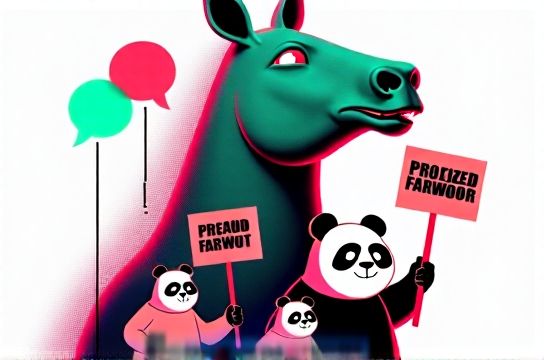
With over 1 billion internet users, China’s digital landscape is fertile ground for viral humor. Platforms like Weibo, Douban, and Bilibili serve as meme incubators, where netizens use irony and absurdity to discuss everything from economic stress to political sensitivity—safely masked behind cartoon animals and ironic slang.
The Rise of Irony in a Censored Space
In an environment where direct criticism can lead to account bans or worse, Chinese netizens have mastered the art of coded speech. Memes act as Trojan horses—funny on the surface, layered with meaning underneath. For example, the phrase “harmonious” (和谐), officially used to promote social stability, became a meme itself, implying forced silence.
One iconic figure? Grass Mud Horse—a homophonic pun on a vulgar curse word. This fictional creature, often depicted as a llama, became a symbol of defiance. In 2009, it briefly topped Baidu’s search rankings before being censored. Its legacy lives on in meme lore.
Data Snapshot: Meme Engagement on Major Platforms
Here’s how meme-driven content performs across key Chinese platforms:
| Platform | Active Users (2024) | Meme-Related Posts/Month | Top Meme Themes |
|---|---|---|---|
| 580M | 12M+ | Political satire, celebrity roasting | |
| Bilibili | 330M | 8M+ | Anime edits, youth anxiety |
| Douyin | 750M | 20M+ | Dance parodies, work-life balance |
| Douban | 160M | 3M+ | Feminist humor, anti-consumerism |
As the table shows, meme culture isn’t niche—it’s mainstream. On Bilibili, animated remixes of state propaganda with lo-fi beats rack up millions of views. On Douban, feminist groups use meme collages to critique gender norms under the radar.
From Laughter to Livelihood: The Meme Economy
What starts as a joke often becomes a business. Take Lan Jizi (Blue Boy), a pixelated avatar used to mock elitism. It inspired merchandise, NFTs, and even pop-up cafes in Shanghai. Similarly, the ‘lying flat’ (tang ping) movement—a meme-turned-manifesto against overwork—sparked books, documentaries, and fashion lines.
Brands are catching on. In 2023, beverage giant Wahaha collaborated with meme artists to rebrand its logo with frog-themed doodles, boosting youth engagement by 40%.
Why It Matters: More Than Just Laughs
Meme culture in China is a form of soft resistance. It allows people to process collective frustrations—rising housing costs, job insecurity, academic pressure—through shared humor. It’s also a space where marginalized voices find visibility, especially among Gen Z and LGBTQ+ communities.
But it’s not without risk. Authorities increasingly crack down on ‘harmful’ online content. In 2022, hundreds of meme accounts were suspended for “spreading low-energy (负能量) content.” Yet, like hydra heads, new memes emerge faster than they can be deleted.
In the end, Chinese meme culture is a dance—one step ahead of censors, rooted in creativity, and powered by the irrepressible human need to laugh, even when things aren’t funny.