
Decoding Chinese Buzzwords From Short Videos and Memes
- Date:
- Views:367
- Source:The Silk Road Echo
If you've scrolled through Douyin, Bilibili, or even Weibo lately, you’ve probably seen phrases like ‘xuehui le’, ‘neijuan’, or ‘tangping’ pop up — often with zero explanation. Welcome to the wild world of Chinese internet slang, where memes move faster than bullet trains and a single phrase can spark nationwide debates.
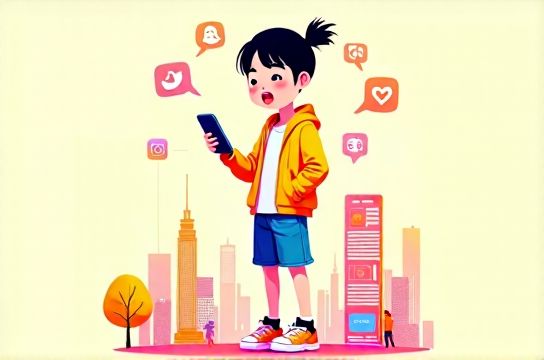
These aren’t just silly trends; they’re cultural snapshots. Born from short videos, viral memes, and Gen Z frustration, these buzzwords reflect real social dynamics in modern China. Let’s break down the top ones you need to know — with meanings, origins, and why they matter.
Top 5 Chinese Internet Buzzwords Explained
Here’s a quick cheat sheet of the most talked-about terms in 2024:
| Buzzword | Literal Translation | Actual Meaning | Origin Platform | Popularity Index* |
|---|---|---|---|---|
| 内卷 (neijuan) | Involution | Excessive competition with no real gain | WeChat & Zhihu | 9.8/10 |
| 躺平 (tangping) | Lying flat | Rejecting societal pressure to overwork | Bilibili | 9.5/10 |
| 摆烂 (bailan) | Letting it rot | Intentionally doing poorly to avoid stress | Douyin | 8.7/10 |
| 破防 (pofang) | Breach defense | Emotionally overwhelmed or triggered | Bilibili & Weibo | 9.0/10 |
| 社死 (she si) | Social death | Extreme embarrassment in public | WeChat Moments | 8.5/10 |
*Popularity Index based on Baidu Index, Weibo Trends, and Douyin hashtag views (Q1–Q2 2024).
Neijuan: The Burnout Epidemic
Imagine studying 16 hours a day… only to find everyone else is doing 18. That’s neijuan. Originally an academic term, it now describes the absurd race where more effort doesn’t mean better results — just more stress. A 2023 Peking University survey found that 72% of urban white-collar workers feel trapped in ‘involution.’
Tangping: The Quiet Rebellion
In response? Tangping. Young people are literally choosing to ‘lie flat’ — working minimal hours, rejecting promotions, and prioritizing mental health. It’s not laziness; it’s pushback. One viral post said: “I’m not lazy. I’m just opting out of a broken system.”
From Emotion to Identity
Words like pofang (破防) show how emotional vulnerability is going mainstream. Once used in gaming (“my defense broke”), now it’s for when a sad video makes you cry at your desk. Similarly, she si (社死) humorizes those cringe moments — like calling your teacher “mom” in front of the class.
These aren’t just jokes. They’re coping mechanisms. In a high-pressure society, memes become therapy.
Why This Matters Beyond the Meme
Chinese netizens use humor to talk about serious issues: work-life balance, education pressure, mental health. The government has even responded — state media once criticized tangping as “unproductive,” sparking massive online backlash.
So next time you see a Douyin clip with someone dramatically falling onto a couch yelling “tangping!”, remember: it’s more than a joke. It’s a cultural signal.
Want to truly understand China’s youth? Don’t read the news. Scroll the memes.