
Online Buzzwords China Unpack the Latest Internet Slang and Their Cultural Roots
- Date:
- Views:224
- Source:The Silk Road Echo
Ever scrolled through Chinese social media and felt like everyone’s speaking a secret code? You’re not alone. From dǎnáo (社死, social death) to neijuan (内卷, involution), China’s internet slang is exploding — and it’s way more than just memes. These buzzwords are cultural snapshots, revealing the hopes, frustrations, and humor of a generation navigating rapid change.
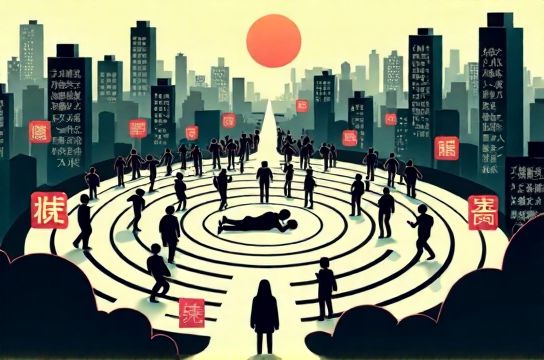
Let’s dive into the most viral terms shaping online discourse in 2024, decode their meanings, and explore what they say about modern Chinese society.
Top 5 Viral Chinese Internet Slang Terms in 2024
These aren’t just passing fads — they’re embedded in daily conversations on Weibo, Xiaohongshu, and Douyin. Here’s a breakdown:
| Buzzword | Literal Translation | Meaning | Usage Example |
|---|---|---|---|
| 内卷 (nèijuǎn) | Involution | Excessive competition with no real gain | "Working 12-hour days but still getting promoted? That’s pure neijuan." |
| 躺平 (tǎngpíng) | Lying flat | Rejecting societal pressure to overachieve | "I quit my job to grow vegetables. I’m officially tangping." |
| 社死 (shè sǐ) | Social death | Extreme embarrassment in public | "Tripped in front of my boss? Total she si moment." |
| 破防 (pò fáng) | Emotional defense broken | Feeling deeply moved or overwhelmed | "That puppy rescue video really made me po fang." |
| 摆烂 (bǎi làn) | Acting rotten | Deliberately doing poorly to avoid stress | "My boss wants overtime? Fine, I’ll bai lan harder." |
Why Are These Words So Powerful?
They’re not random. Each term reflects deep societal shifts. Take neijuan — originally an academic term, now used by students, office workers, and even parents competing for school spots. A 2023 survey by Tencent found that 68% of urban millennials feel trapped in some form of ‘involution.’
And tangping? It’s a quiet rebellion. After years of the ‘996’ work culture (9 AM–9 PM, 6 days a week), young people are saying: No more. While the government has criticized the mindset as ‘defeatist,’ it’s resonated globally — think ‘quiet quitting’ with Chinese characteristics.
The Humor Behind the Pain
What makes these terms stick is their wit. She si (social death) turns cringe into comedy. Imagine spilling coffee on your date — instant ‘death.’ But unlike Western self-deprecation, Chinese netizens use irony to cope, not confess.
Meanwhile, po fang captures emotional vulnerability in a culture that often values stoicism. Crying at a KOL’s life story? You’ve been ‘broken.’ And proudly so.
From Meme to Mainstream
These words don’t stay online. Brands use them in ads. TV shows quote them. Even state media debates them. When CCTV discussed tangping, it sparked national conversation — proof that internet slang now shapes public discourse.
In short, understanding Chinese internet slang isn’t just about language. It’s about reading the pulse of a generation redefining success, happiness, and resistance — one meme at a time.