
Online Buzzwords China Uncover the Hidden Meanings Behind the Hype
- Date:
- Views:272
- Source:The Silk Road Echo
Ever scrolled through Chinese social media and felt like everyone’s speaking a secret code? You’re not alone. From dǎnghuáng to neijuan, China’s online buzzwords are more than just slang—they’re cultural snapshots packed with emotion, satire, and societal pressure. Let’s decode the hype and uncover what these viral terms really mean.
Why Chinese Internet Slang Is So Unique
China’s internet is a linguistic playground. With censorship shaping expression, netizens get creative—using puns, homophones, and irony to say what they can’t say directly. These words aren’t just trendy; they reflect real-life struggles in education, work, and identity.
Top 5 Must-Know Chinese Online Buzzwords in 2024
- 内卷 (nèijuǎn) – Involution: Ever feel like no matter how hard you work, you’re just running in place? That’s neijuan. Originally an academic term, it now describes cutthroat competition where effort doesn’t equal reward. Think students studying 16 hours a day just to stay average.
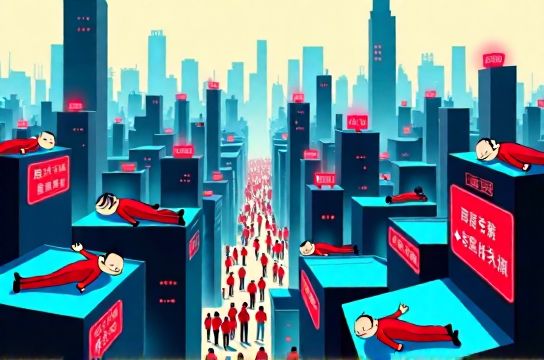
- 躺平 (tǎngpíng) – Lie Flat: The anti-hustle movement. After years of burnout, young people are rejecting grind culture. Tangping means opting out of the rat race—living minimally, working less, and prioritizing peace over productivity.
- 打工人 (dǎgōng rén) – Laborer: A sarcastic twist on “worker.” Once neutral, now used self-deprecatingly by office employees who feel like cogs in a machine. “Morning, fellow laborer!” is the new “Good morning.”
- 破防 (pòfáng) – Emotional Breakthrough: Literally “break defense,” this term went viral during emotional sports moments or sad memes. It captures that feeling when your emotional walls come crashing down—often from something small but deeply relatable.
- 社死 (shèsǐ) – Social Death: That cringe moment when you trip in public or send a text to the wrong person. Instant humiliation so severe, you wish the ground would swallow you. Very common among Gen Z.
What These Words Say About Chinese Society
Buzzwords like neijuan and tangping aren’t just jokes—they’re cries for help. A 2023 survey by Peking University found that over 60% of urban youth feel trapped by work pressure. Meanwhile, dagongren humor masks deep dissatisfaction with income inequality.
| Buzzword | Literal Meaning | Social Context | Popularity Index* |
|---|---|---|---|
| 内卷 (nèijuǎn) | Involution | Work/education pressure | 9.8/10 |
| 躺平 (tǎngpíng) | Lie Flat | Anti-hustle movement | 8.7/10 |
| 打工人 (dǎgōng rén) | Laborer | Workplace satire | 9.1/10 |
| 破防 (pòfáng) | Break Defense | Emotional vulnerability | 7.9/10 |
| 社死 (shèsǐ) | Social Death | Public embarrassment | 8.3/10 |
*Based on Baidu Index and Weibo trending data, Q1 2024
How to Use These Terms Like a Local
Want to blend in online? Drop “I’m just a dagongren trying to survive” in a group chat after overtime. Or say “This made me pofang” when a meme hits too close to home. Just avoid using them in formal settings—your boss won’t appreciate the sarcasm.
In short, Chinese internet slang is a mirror of modern life: stressful, ironic, and oddly poetic. Understanding these words isn’t just about language—it’s about empathy.