
Understanding Online Buzzwords China From Memes to Shopping
- Date:
- Views:301
- Source:The Silk Road Echo
If you've ever scrolled through Chinese social media and felt like everyone was speaking a secret code, you're not alone. Welcome to the wild, fast-paced world of Chinese internet slang—where memes, shopping culture, and digital creativity collide.
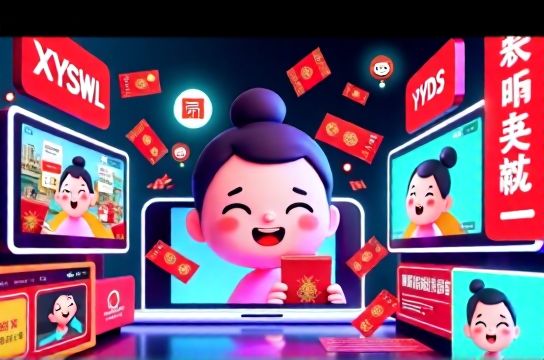
From tongue-in-cheek abbreviations to viral catchphrases born out of live-streaming shopping frenzies, understanding these online buzzwords isn't just fun—it's essential if you want to connect with over 1 billion netizens in China.
Why Do Chinese Internet Slang Terms Spread So Fast?
China's digital ecosystem is unique. With platforms like Weibo, Douyin (TikTok’s Chinese cousin), and Xiaohongshu dominating daily life, slang evolves at lightning speed. Censorship also plays a role—users often create coded language to bypass filters. For example, '草' (cǎo, meaning 'grass') is used as a homophone for 'f**k'—leading to phrases like '草泥马' (cǎo ní mǎ), a playful yet rebellious meme creature.
Top 5 Must-Know Chinese Internet Buzzwords in 2024
Let’s break down some of the most popular terms making waves right now:
| Buzzword | Literal Meaning | Cultural Context | Usage Example |
|---|---|---|---|
| 内卷 (nèijuǎn) | Involution | Describes cutthroat competition where effort doesn’t lead to rewards—common in work & education. | “加班到凌晨?这太内卷了!” (Working late again? That’s so involution!) |
| 躺平 (tǎngpíng) | Lying flat | A passive resistance movement against societal pressure; choosing minimalism over hustle culture. | “我不升职了,我要躺平。” (I’m not chasing promotion—I’m lying flat.) |
| 破防 (pòfáng) | Breach defense | Emotionally overwhelmed—originally from gaming, now used when someone gets deeply moved or upset. | “看到那个视频我直接破防了。” (That video completely broke my defenses.) |
| yyds | Forever god | Abbreviation of 永远的神—used to praise idols, products, or even food. | “这款奶茶 yyds!” (This milk tea is forever god!) |
| 社死 (shèsǐ) | Social death | That cringe moment when you embarrass yourself in public—online or offline. | “在会议上叫错老板名字,我社死了。” (I called my boss by the wrong name—I’m socially dead.) |
The Rise of E-Commerce Slang: When Shopping Becomes a Language
Live-stream shopping has supercharged slang creation. Hosts like Li Jiaqi shout phrases like “买它! (Buy it!)” during sales events, turning commands into cultural mantras. During Singles’ Day 2023, Alibaba reported $96 billion in GMV (Gross Merchandise Value)—a number fueled by emotional engagement and linguistic hype.
Terms like “剁手 (duòshǒu)”—literally 'chop your hands off'—jokingly describe post-purchase regret after splurging on Taobao. It’s humor with a hint of truth: according to a 2023 survey, 68% of young Chinese consumers admitted to impulse buying during live streams.
How to Stay Updated?
Follow trending hashtags on Douyin or Weibo, or browse communities on Xiaohongshu. Many slang terms have short lifespans—some last only weeks—so staying current means being part of the conversation.
In short, Chinese internet slang isn’t just about words. It’s a reflection of society’s pressures, joys, and digital identity. Whether you’re marketing a product, learning Mandarin, or just curious, cracking this code opens doors to one of the world’s most dynamic online cultures.