
Decoding Chinese Buzzwords From TikTok to Daily Life
- Date:
- Views:257
- Source:The Silk Road Echo
If you've ever scrolled through TikTok—or its Chinese twin, Douyin—you’ve probably stumbled upon phrases like 内卷 (nèijuǎn) or 躺平 (tǎngpíng) and wondered: what on earth are people talking about? These aren’t just random syllables—they’re cultural codes. And believe it or not, they’re reshaping how young Chinese people view work, life, and everything in between.
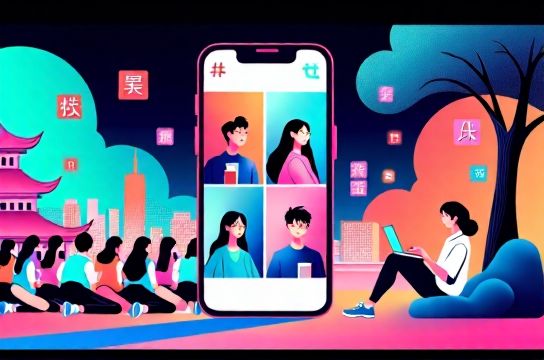
Why Should You Care About Chinese Internet Slang?
Because it’s not just slang—it’s a social movement in disguise. Platforms like Douyin, Weibo, and Xiaohongshu have turned everyday phrases into viral mantras that reflect real generational frustrations. Think of them as emotional hashtags with PhDs.
Let’s break down the top buzzwords sweeping China’s digital landscape—and what they say about society today.
1. 内卷 (nèijuǎn) – The Burnout Epidemic
Literal translation? "Involution." But really, it means pointless overcompetition. Imagine everyone studying 18 hours a day… just to stay in the same place. That’s nèijuǎn.
A 2023 survey by Tencent News found that 67% of urban millennials feel trapped in some form of involution—whether at school, work, or even parenting.
| Buzzword | Literal Meaning | Actual Vibe | Popularity Index* |
|---|---|---|---|
| 内卷 (nèijuǎn) | Involution | Exhausting competition with no reward | 9.8/10 |
| 躺平 (tǎngpíng) | Lie flat | Rejecting pressure; opting out gracefully | 8.5/10 |
| 摆烂 (bǎilàn) | Let it rot | When giving up feels like self-care | 7.2/10 |
| 社死 (shèsǐ) | Social death | That time you tripped in public… forever | 9.1/10 |
*Based on Baidu Index & Weibo hashtag volume, Q1 2024
2. 躺平 (tǎngpíng) – The Quiet Rebellion
If nèijuǎn is the problem, tǎngpíng is the protest. It’s the art of lying flat—refusing to chase promotions, luxury goods, or societal expectations. No hustle, no stress, no guilt.
This mindset went nuclear in 2021 when a blog post titled “I Decided to Lie Flat” described living on $300/month, growing vegetables, and ignoring career ladders. It got deleted—but the idea didn’t.
3. 摆烂 (bǎilàn) – When You Lean Into the Chaos
Even more radical than lying flat? Letting it rot. Bǎilàn isn’t peaceful disengagement—it’s sarcastic surrender. “My life’s a mess? Cool. I’ll make it messier.”
It’s Gen Z’s dark humor response to systems they can’t fix. Think: failing exams on purpose, posting cringe selfies with pride, or saying “whatever” to your boss’s 11 PM email.
4. 社死 (shèsǐ) – Social Death, But Make It Trendy
We all have that one memory: calling your teacher “mom” in front of the class, spilling noodles on a date, or accidentally liking a 3-year-old Instagram post. In China? That’s shèsǐ—social death.
The phrase is so big, it inspired memes, merchandise, and even therapy apps. A 2024 Xiaohongshu report showed over 2.1 million posts tagged #社死, ranging from horror stories to redemption arcs.
From TikTok to Real Talk
These words started online, but they’ve bled into job interviews, dinner tables, and government white papers. Officials have even criticized nèijuǎn as a threat to productivity—proving these aren’t just jokes. They’re cries for change.
So next time you hear a Chinese netizen say they’re “lying flat,” don’t laugh. They might just be rewriting the rules of success—one sarcastic buzzword at a time.