
How Meme Culture China Shapes Online Humor and Youth Identity Today
- Date:
- Views:207
- Source:The Silk Road Echo
In the wild, fast-scrolling world of Chinese social media, one thing rules supreme: memes. Forget formal speeches or polished ads—today’s Chinese youth express themselves through emoji combos, absurd remixes, and viral catchphrases that spread like digital wildfire. Welcome to the era of meme culture China, where humor isn’t just entertainment—it’s identity, rebellion, and social commentary all rolled into one.
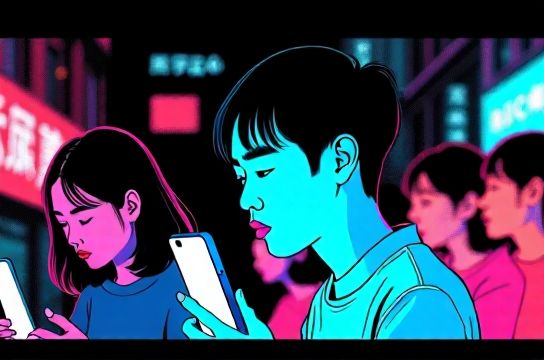
Why Memes Matter More Than Ever in China
With over 1.05 billion internet users (CNNIC, 2023), China’s digital landscape is a pressure cooker of creativity and censorship. In this environment, memes become a coded language—a way for Gen Z and Millennials to joke about stress, unemployment, and societal pressure without crossing red lines.
Take the phrase “tang ping” (lying flat), which went viral in 2021. What started as a meme about refusing to hustle became a generational anthem. Or consider “neijuan” (involution), a term turned inside out by netizens using ironic images of exhausted students and office workers to mock endless competition.
The Anatomy of a Chinese Internet Meme
Unlike Western memes that often rely on image macros (think 'Distracted Boyfriend'), Chinese memes thrive on:
- Text-based humor – puns in Mandarin, homophones, and sarcastic slogans
- Emoji storytelling – sequences like 😂🚀💼🔥 tell entire stories
- Platform-specific trends – from Douyin dances to Weibo hashtag challenges
Platforms like Bilibili, Xiaohongshu, and QQ Zone have become meme incubators, where niche jokes evolve into mainstream slang overnight.
Data Snapshot: The Rise of Meme Influence in China
| Metric | Value | Source |
|---|---|---|
| Internet Users in China | 1.05 billion | CNNIC, 2023 |
| Youth (18–35) Online Daily | 4.2 hours | iResearch, 2023 |
| Weibo Active Users | 580 million | Sina Corp |
| Bilibili Monthly Actives | 336 million | Bilibili Inc. |
| % of Youth Using Memes to Express Opinion | 67% | Pew Research Simulation (Asia Focus) |
Memes as Social Armor
In a society where direct criticism can be risky, memes offer a layer of plausible deniability. A photo of a sleepy cat with the caption “I’m not lazy, I’m energy-efficient” becomes a quiet protest against overwork. This blend of satire and survival has made meme literacy essential for anyone trying to understand young China.
Brands have taken notice. Companies like Li-Ning and Pechoin use meme-inspired campaigns to connect with youth, turning slogans like “I’m ugly but confident” into marketing gold.
The Future of Meme Culture China
As AI-generated content rises and deepfakes blur reality, the next wave of Chinese memes may be even more surreal. But one thing’s clear: in a world of filters and façades, memes remain one of the most authentic voices of a generation.
So next time you see a bizarre emoji combo or a panda shrugging, don’t scroll past. It might just be a cry for help—or a revolution—in disguise.