
Decoding Popular Online Buzzwords China's Digital Language
- Date:
- Views:220
- Source:The Silk Road Echo
If you've spent any time scrolling through Chinese social media—whether it’s Weibo, Douyin, or Xiaohongshu—you’ve probably come across phrases like '内卷' (nèijuǎn), '躺平' (tǎngpíng), or '破防' (pòfáng). These aren’t just random slang; they’re cultural snapshots of a generation navigating pressure, identity, and digital expression in modern China.
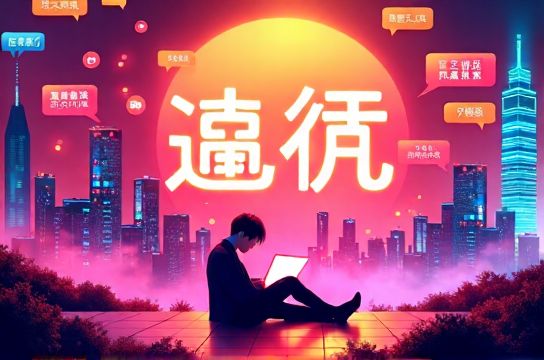
Why Are These Buzzwords So Powerful?
Online slang in China evolves fast. Driven by youth culture, internet humor, and societal shifts, these terms often go viral overnight. They’re more than jokes—they reflect real emotions and social commentary.
Take '内卷' (involution), for example. Originally an academic term, it now describes cutthroat competition where people work harder but gain little. A 2023 survey by Tencent found that 68% of urban millennials identify with ‘neijuan,’ feeling trapped in endless performance loops at work or school.
On the flip side, '躺平' (lying flat) emerged as a quiet rebellion. It’s not laziness—it’s a conscious choice to opt out of the grind. According to a Peking University study, over 41% of Gen Z respondents said they’ve considered ‘tangping’ as a lifestyle reset.
Top 5 Buzzwords You Need to Know in 2024
| Buzzword | Literal Meaning | Cultural Meaning | Popularity Index* |
|---|---|---|---|
| 内卷 (nèijuǎn) | Involution | Excessive competition with diminishing returns | 9.2/10 |
| 躺平 (tǎngpíng) | Lying flat | Rejecting societal pressure to overachieve | 8.7/10 |
| 破防 (pòfáng) | Breach defense | Emotionally overwhelmed or deeply moved | 8.5/10 |
| 社死 (shèsǐ) | Social death | Extreme embarrassment in public | 7.9/10 |
| yyds | ‘Forever God’ (pinyin initials) | Ultimate praise, like ‘GOAT’ | 9.0/10 |
*Based on Baidu Index and Weibo trending data, Q1 2024
How These Words Shape Digital Culture
These buzzwords aren’t just used casually—they influence marketing, politics, and mental health discourse. Brands now use ‘tangping’ in ad campaigns to appeal to young consumers seeking balance. Meanwhile, state media has both criticized and co-opted these terms, showing how tightly language and ideology are intertwined.
For instance, when ‘neijuan’ trended, major companies like Alibaba and Huawei faced public scrutiny over work culture. The term even sparked debates about labor rights and work-life balance in official forums.
From Meme to Movement
What starts as a joke often becomes a movement. ‘Pofang’—originally from gaming jargon meaning your defenses are broken—is now used poetically. People say ‘I was pofanged’ when a song, story, or moment hits them emotionally. It’s digital empathy in three syllables.
And let’s not forget abbreviations like ‘xswl’ (笑死我了 – laughing to death) or ‘zqsg’ (真情实感 – genuine feelings). These aren’t lazy typing—they’re linguistic efficiency in high-speed chats.
Final Thoughts: More Than Just Slang
Chinese internet slang is a living language. It’s witty, sharp, and deeply human. Whether you're learning Mandarin, doing business in China, or just curious about global youth culture, understanding these terms gives you a backstage pass to the minds of millions.
So next time you see ‘yyds’ under a K-pop video or someone says they’re ‘tangping life,’ you’ll know—it’s not just talk. It’s a digital revolution, one meme at a time.