
How Meme Culture China Shapes Online Humor and Social Trends
- Date:
- Views:211
- Source:The Silk Road Echo
In the digital age, few things spread faster than a well-timed meme — especially in China. While Western internet users might chuckle at a Distracted Boyfriend or Woman Yelling at Cat, Chinese netizens are bonding over homegrown humor like 'Emo Brother', 'Tangping Frog', and 'I'm Not That Kind of Duck'. These aren’t just jokes; they’re cultural signifiers that reflect societal pressures, generational divides, and even political undertones — all wrapped in absurdity.
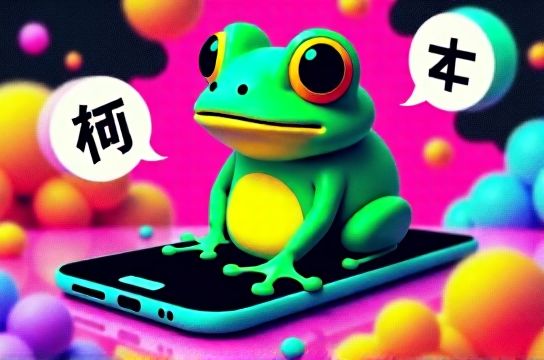
China’s meme culture thrives on platforms like Weibo, Douyin (TikTok’s domestic cousin), and Bilibili, where creativity dances carefully around censorship. Unlike the free-for-all of Reddit or Twitter, Chinese memes often use irony, wordplay, and surreal visuals to comment on real-life issues — from workaholic 996 schedules to housing crises — without crossing red lines.
Take the viral sensation 'Tangping' (lying flat). Born as a response to burnout, it inspired memes of frogs lounging in bathtubs or office workers napping under desks. According to a 2023 survey by iResearch, over 68% of urban millennials said they’ve embraced 'tangping' ideals at least occasionally. Memes made the movement digestible, shareable, and oddly empowering.
The Data Behind the Laughs
Memes aren’t just noise — they move markets and influence public sentiment. Check this out:
| Meme | Platform | Peak Virality (Monthly Views) | Social Impact |
|---|---|---|---|
| Tangping Frog | Weibo / Bilibili | 240M+ | Sparked national debate on youth employment |
| Emo Brother | Douyin | 180M+ | Boosted mental health awareness |
| I'm Not That Kind of Duck | WeChat Moments | 95M | Became brand slogan for duck meat chain |
Yes, a meme about a duck denying its identity went so viral it landed a fast-food endorsement. That’s the power of relatability.
Why Chinese Memes Hit Different
Western memes often rely on instant shock or absurd cuteness. Chinese memes? They’re layered. They speak in metaphors, puns (homophones are gold), and visual satire. For example, the phrase 'Neijuan' (involution) — describing hyper-competition — is illustrated with hamsters running endlessly on wheels. It’s funny, yes, but also painfully accurate.
And let’s talk about resilience. When direct criticism is risky, memes become coded language. A cartoon of a sleepy student staring at a mountain of books isn’t just cute — it’s a quiet protest against education pressure.
From Jokes to Jobs
Meme culture isn’t just social — it’s economic. Brands now hire meme strategists. KFC China once used the Tangping Frog in a limited promo, selling 'lazy meal boxes' — and saw a 32% sales bump in targeted cities (source: QuestMobile, 2022).
Meanwhile, influencers monetize meme formats into mini-series on Bilibili, earning six figures annually. The line between humor and hustle is blurrier than ever.
So next time you see a sad panda or a duck in sunglasses, don’t just laugh. Look closer. There’s a story — maybe even a revolution — hiding in that pixelated grin.