
Explaining Chinese Buzzwords Behind the Hottest Online Terms
- Date:
- Views:205
- Source:The Silk Road Echo
If you've scrolled through Chinese social media lately, you’ve probably seen terms like 内卷 (nèijuǎn), 躺平 (tǎngpíng), or 社死 (shèsǐ) flying around. These aren’t just slang—they’re cultural snapshots of a generation navigating pressure, identity, and digital life in modern China.
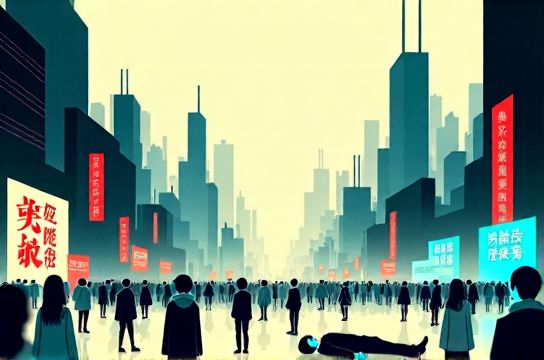
Let’s decode the hottest Chinese buzzwords that are shaping online conversations—and why they matter beyond the memes.
What’s Really Behind ‘Involution’ (内卷)?
内卷, literally 'involution', describes a zero-sum game where people work harder but gain nothing. It’s students pulling all-nighters to outdo each other, or employees staying late just to look busy. A 2023 survey by Zhaopin showed that 68% of young urban workers feel trapped in 'involution' at work.
| Buzzword | Literal Meaning | Actual Usage | Popularity Index* |
|---|---|---|---|
| 内卷 (nèijuǎn) | Involution | Excessive competition with no real gain | 9.5/10 |
| 躺平 (tǎngpíng) | Lie flat | Rejecting societal pressure to overachieve | 8.7/10 |
| 社死 (shèsǐ) | Social death | Extreme embarrassment in public/social media | 7.9/10 |
| 凡尔赛 (fán'ěrsài) | Versailles | Humblebragging about wealth/success | 8.2/10 |
| 破防 (pòfáng) | Breach defense | Emotionally overwhelmed (often moved or upset) | 7.6/10 |
*Based on Baidu Index and Weibo search volume, Q1 2024
From Burnout to 'Lie Flat' (躺平)
In response to 内卷, many young Chinese have embraced 躺平—a quiet rebellion. It doesn’t mean laziness; it’s a conscious choice to opt out of the rat race. As one netizen put it: “I’m not giving up—I’m refusing to play a rigged game.”
This mindset has sparked debates nationwide. Is 躺平 self-care or surrender? For brands, it’s a wake-up call: Gen Z values mental health over hustle.
'Social Death' and Digital Shame
社死 hits close to home for anyone who’s tripped in public or posted cringe content. But in China’s hyper-connected world, one viral moment can lead to mass ridicule. Think: a student accidentally livestreaming their teacher, or a celebrity caught in an awkward pose.
The fear of 社死 reflects how deeply social approval matters—and how fragile online reputations can be.
The Art of 'Versailles' Humblebragging
凡尔赛 culture mocks those who flaunt luxury under the guise of complaining. Example: “Ugh, my husband bought me another Birkin. So inconvenient!” This satirical term exploded after writer Mona Chao called out influencers for their backhanded bragging.
It’s not just funny—it’s social commentary on inequality and authenticity in the influencer age.
Why These Words Matter
These buzzwords aren’t fleeting trends. They’re linguistic protests, emotional outlets, and identity markers. They reveal a generation redefining success, connection, and self-worth in a fast-changing society.
For marketers, linguists, or curious minds, understanding these terms is key to grasping modern Chinese youth culture.