
Decoding Chinese Buzzwords From Online Slang to Social Commentary
- Date:
- Views:193
- Source:The Silk Road Echo
If you've ever scrolled through Chinese social media and felt like everyone was speaking a secret code, you're not alone. From neijuan (内卷) to tangping (躺平), China's internet slang isn't just playful lingo—it's a cultural mirror reflecting societal stress, generational shifts, and quiet rebellion. Let’s dive into the viral buzzwords shaping modern Chinese discourse.
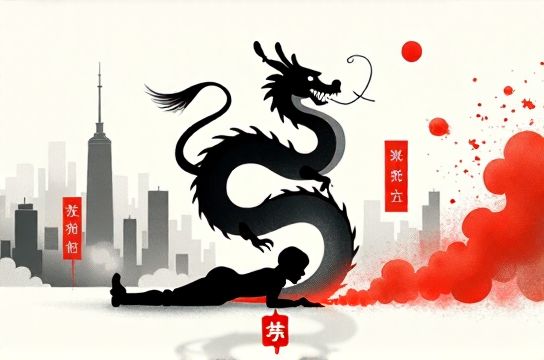
Why Chinese Net Slang Matters
China's online population exceeds 1.05 billion, making it the largest digital society on Earth. With strict content controls, netizens have mastered the art of coded expression—using humor, irony, and homophones to navigate censorship while voicing real frustrations.
Top 5 Must-Know Chinese Buzzwords in 2024
1. Neijuan (内卷) – The Burnout Epidemic
Translated as “involution,” neijuan describes a zero-sum race where people work harder for no extra gain. Think students pulling all-nighters just to stay average, or employees staying late even when there’s no work.
2. Tangping (躺平) – The Quiet Quitting Movement
As a response to neijuan, tangping means “lying flat.” It’s a passive resistance against hustle culture—choosing minimalism, low-paying jobs, or even unemployment to reclaim peace.
3. Kongwu (孔武) – Mocking Performative Masculinity
A satirical twist on traditional masculinity, kongwu mocks men who act tough but lack substance—often used to critique toxic male behavior online.
4. Baizuo (白左) – 'White Left' and Cultural Critique
Originally referring to Western liberal elites, this term has evolved into a jab at perceived hypocrisy in global progressivism, especially among Chinese youth debating social justice.
5. Yin Yang Bao (阴阳包) – Delivering Sass with Style
Literally “yin-yang packet,” this means saying something polite on the surface but dripping with sarcasm underneath. A favorite tool in workplace roasts and online clapbacks.
What These Words Say About Society
These aren’t just memes—they’re symptoms. A 2023 Peking University study found that over 68% of urban millennials feel trapped by job market pressure, fueling the popularity of tangping. Meanwhile, neijuan became so widespread it was named Baidu’s Word of the Year in 2021.
| Buzzword | Literal Meaning | Social Context | Search Volume (Baidu, 2023) |
|---|---|---|---|
| 内卷 (Neijuan) | Involution | Work/school competition overload | 2.1M/month |
| 躺平 (Tangping) | Lying Flat | Anti-hustle culture | 1.8M/month |
| 孔武 (Kongwu) | Empty Strength | Critique of machismo | 420K/month |
| 白左 (Baizuo) | White Left | Western liberalism critique | 610K/month |
| 阴阳包 (Yin Yang Bao) | Yin-Yang Packet | Sarcastic communication | 380K/month |
The Art of Subversion
In a tightly regulated digital space, wordplay becomes resistance. Homophones like baiguai (白菜, “cabbage”) imply someone is ‘cheaply available’ in dating, while jiǎndan (简单, “simple”) sarcastically labels naive thinking. These phrases fly under the radar—but everyone gets the message.
Final Thoughts
Understanding Chinese buzzwords isn’t just about language—it’s about empathy. They reveal a generation navigating impossible expectations with creativity and dark humor. Whether you're researching youth culture or just trying to keep up with Weibo trends, these terms offer a front-row seat to China’s evolving soul.