
Decoding Online Buzzwords China From Keyboard Warriors to Netizen Slang
- Date:
- Views:248
- Source:The Silk Road Echo
Ever scrolled through Chinese social media and felt like everyone’s speaking a secret code? You’re not alone. The internet in China isn’t just fast—it’s linguistically wild. From sarcastic memes to coded political commentary, netizens have crafted a digital dialect all their own. Welcome to the world of Chinese online buzzwords—where a single phrase can carry layers of meaning, humor, and rebellion.
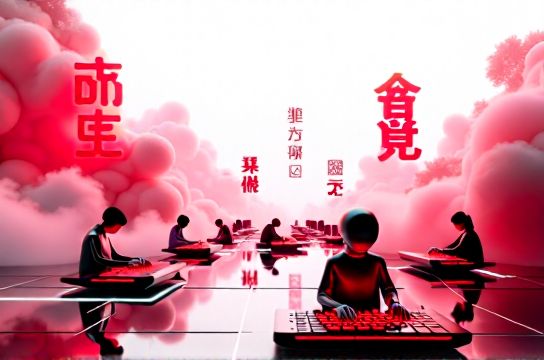
Why Do Chinese Netizens Speak in Code?
With strict content moderation, creativity thrives in disguise. Instead of saying something directly, users twist language using puns, homophones, and pop culture references. It’s not just about being funny—it’s survival. For example, “grass-mud horse” (草泥马) sounds innocent but is actually a clever phonetic stand-in for a vulgar insult. This linguistic loophole lets users vent without triggering censorship algorithms.
The Evolution of Internet Slang in China
Chinese net slang didn’t appear overnight. It evolved from early chat rooms, BBS forums, and platforms like Weibo and Douyin. As internet access exploded—from 64 million users in 2000 to over 1.05 billion today—the need for quick, expressive communication grew.
| Year | Internet Users (China) | Key Platform Emergence |
|---|---|---|
| 2000 | 64 million | Tianya Club |
| 2010 | 457 million | |
| 2020 | 989 million | Douyin, Xiaohongshu |
| 2023 | 1.05 billion | Bilibili, Zhihu |
Top 5 Must-Know Chinese Internet Slang Terms
- 内卷 (nèijuǎn) – Involution: A term that went viral during job market crises. It describes a situation where people work harder but gain nothing—like running on a treadmill. Used across education, tech, and office culture.
- 躺平 (tǎngpíng) – Lie Flat: The Gen-Z rebellion against hustle culture. Rather than burn out, young people choose minimal effort and simple living.
- 打工人 (dǎgōngrén) – Laborer: A self-deprecating term for white-collar workers. It mocks corporate life with irony: “Another day, another soul crushed.”
- 社死 (shèsǐ) – Social Death: That moment when you trip in public or send a text to the wrong person. Instant, cringe-worthy humiliation.
- yyds – Eternal God: Short for 永远的神 (yǒngyuǎn de shén), used to praise idols, food, or anything awesome. Once everywhere, now considered outdated by cool kids.
Keyboard Warriors: The Dark Side of Digital Expression
Not all netizens use slang for fun. Some become “keyboard warriors”—anonymous users who attack others online. Trolling, doxxing, and cyberbullying are real issues. Yet, even these conflicts shape language. New terms like “云举报” (cloud reporting—false reporting for revenge) emerge from toxic behavior.
From Meme to Mainstream
Some slang escapes the internet. “Lie flat” sparked national debate, with state media criticizing it as “negative thinking.” Meanwhile, brands jump on trends—using “打工人” in ads to seem relatable. But once slang goes mainstream, its edge fades. Irony becomes marketing.
Final Thoughts: Language as Resistance and Identity
Chinese internet slang is more than cute abbreviations. It’s a cultural mirror—reflecting anxiety, humor, and resistance. In a tightly controlled digital space, words become weapons, jokes become shields, and every meme tells a story.
So next time you see “破防了 (pòfáng le)” — literally “defense broken,” meaning emotionally moved—remember: behind the joke is a generation navigating pressure, politics, and identity—one clever phrase at a time.