
How Meme Culture China Shapes Online Humor and Social Commentary Today
- Date:
- Views:206
- Source:The Silk Road Echo
In the digital age, meme culture in China has evolved into a powerful blend of humor, satire, and subtle social critique. Far from being just silly images, Chinese internet memes are a coded language—a way for netizens to express opinions under strict online regulations. From diaosi (slang for "lowly loser") to the ever-popular cao ni ma horse culture, memes have become the backchannel of public sentiment.
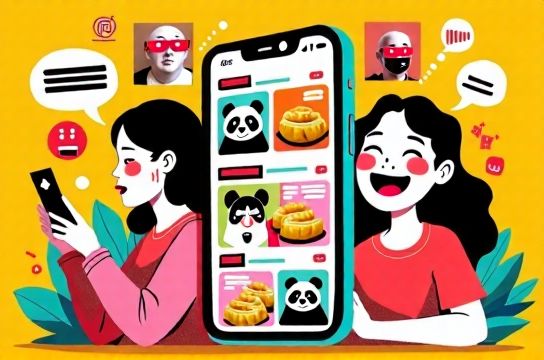
Unlike Western memes that often go viral through platforms like Reddit or Twitter, Chinese memes thrive on Weibo, Douyin, and Bilibili. Censorship plays a big role here. When direct criticism is risky, absurdity becomes resistance. For example, the phrase "grass-mud horse" (草泥马), which sounds like a famous Chinese swear word, became a symbol of defiance—often depicted as a llama in surreal landscapes.
Let’s break down how meme culture in China isn’t just about laughs—it’s about survival, identity, and silent rebellion.
The Psychology Behind the Laughs
Chinese netizens use humor to cope with societal pressures—from job insecurity to the infamous 996 work culture. Memes act as emotional release valves. A 2023 survey by Peking University found that 78% of users aged 18–35 engage with memes daily, primarily for stress relief and social bonding.
| Platform | Daily Active Users (2024) | Meme Engagement Rate |
|---|---|---|
| 230 million | 64% | |
| Bilibili | 94 million | 72% |
| Douyin | 750 million | 58% |
As shown above, Bilibili leads in meme engagement, thanks to its youth-driven, creative community. The platform even hosts annual meme festivals, where users compete to create the most iconic image of the year.
Memes as Social Commentary
Take the rise of fengjing ("scenic view") memes—images of people staring blankly at tourist spots, captioned with lines like "I’m here, therefore I am... depressed." These aren’t just jokes; they reflect disillusionment with the grind of modern life.
Another example: during housing price spikes, the term wo wei fang kuang ("I'm crazy about housing") morphed into a meme series showing tiny figures crushed under giant apartment blocks. It’s visual poetry with a punch.
Government Response & Cat-and-Mouse Games
Authorities aren’t blind to this trend. In 2022, China’s Cyberspace Administration cracked down on "vulgar meme content," especially those referencing politics or using homophonic slang. But like water finding cracks, new memes emerge overnight.
One workaround? Animated characters. Characters like Diaosini, a bald, wide-eyed everyman, parody urban struggles without naming names. His image appears in thousands of user-generated comics about rent, relationships, and career despair.
Global Influence?
While Chinese memes rarely go global due to language and cultural barriers, their influence is growing. TikTok (Douyin’s international version) has introduced formats like "voice-changing satire" and "emoji storytelling" that originated in Chinese meme circles.
And let’s not forget the pandemic-era wuni bama ("kneeling parents") meme, where cartoon parents bow before their adult children begging them to get married. It sparked conversations worldwide about family pressure in East Asian cultures.
Final Thoughts
Meme culture in China is more than entertainment—it’s a mirror held up to society. It’s where frustration, creativity, and dark humor collide. As long as there’s censorship and stress, memes will keep evolving, whispering truths too risky to say out loud.
So next time you see a goofy llama or a sad office worker with a dumpling for a head, remember: it’s not just a joke. It’s a quiet revolution, one share at a time.