
Explaining Chinese Buzzwords Behind the Hottest Slang Terms
- Date:
- Views:292
- Source:The Silk Road Echo
If you've scrolled through Chinese social media lately, you’ve probably seen terms like neijuan, tangping, or 996 popping up everywhere. These aren’t just random internet lingo—they’re cultural snapshots of modern China’s youth grappling with work, life, and societal pressure. Let’s dive into the real stories behind these viral buzzwords.
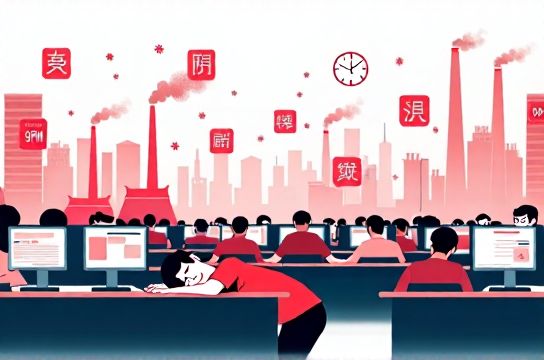
What Are These Buzzwords Saying About China?
China’s digital slang isn’t just cute or trendy—it’s often a cry for help wrapped in irony. From burnout to rebellion, these terms reflect deep societal shifts. Think of them as emotional barometers for a generation squeezed by high expectations and shrinking opportunities.
Neijuan (内卷) – The Burnout Epidemic
Literally meaning “involution,” neijuan describes a rat race where people work harder but gain nothing. It’s like running on a treadmill—exhausting, but going nowhere. A 2023 survey by Zhaopin found that 68% of young professionals feel trapped in competitive overwork.
| Buzzword | Literal Meaning | Social Context | Popularity Index* |
|---|---|---|---|
| 内卷 (neijuan) | Involution | Workplace competition with no rewards | 9.5/10 |
| 躺平 (tangping) | Lying flat | Rejecting hustle culture | 8.7/10 |
| 996工作制 | 9am–9pm, 6 days/week | Controversial tech industry norm | 9.0/10 |
| 打工人 (dagongren) | Working stiff | Self-deprecating identity | 8.2/10 |
*Based on Baidu Index and Weibo trends, Q1 2024
Tangping (躺平) – Opting Out of the Game
If neijuan is running too hard, tangping is lying down. Coined in 2021, this term went viral when a young man declared he’d stop striving and just live simply. It’s not laziness—it’s quiet resistance. According to a Pew Research study, 43% of urban Chinese under 30 now prioritize mental health over career success.
The 996 Work Culture – Hustle at What Cost?
Working from 9 AM to 9 PM, six days a week? That’s the infamous 996 schedule once glorified by tech giants. But after a series of employee suicides and public backlash, even Alibaba admitted it’s “not sustainable.” In 2022, China’s Supreme Court ruled 996 violates labor laws—but enforcement remains spotty.
Dagongren (打工人) – The Rise of the 'Working Stiff'
This self-mocking term turns “laborer” into a meme. You’ll see office workers posting morning selfies with captions like, “Good morning, fellow dagongren!” It’s bittersweet humor—a way to bond over shared struggle. On Douyin, #dagongren has over 7.2 billion views.
Why Should You Care?
These words aren’t just Chinese—they’re universal. Whether you're in Beijing or Berlin, the stress of modern work culture hits hard. Understanding these terms gives you insight into how young people worldwide are redefining success.
So next time you hear tangping, don’t dismiss it as laziness. It might be a call for balance. And when someone says they’re neijuan, they’re not complaining—they’re describing a system that needs fixing.