
How Meme Culture China Shapes Social Media Trends Today
- Date:
- Views:287
- Source:The Silk Road Echo
In the fast-paced world of Chinese social media, one thing reigns supreme: meme culture. Forget dry news feeds—China’s digital landscape is powered by humor, satire, and viral visuals that spread faster than a WeChat red envelope during Lunar New Year.
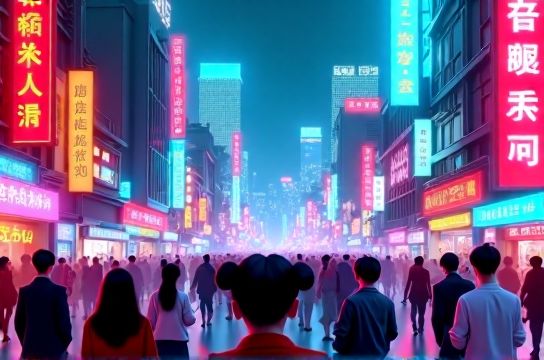
From Doge knockoffs to homegrown absurdity like the infamous Grass Mud Horse, memes in China are more than just jokes—they’re cultural commentary wrapped in internet lingo. And with over 1.05 billion internet users (CNNIC, 2023), the ripple effect is massive.
Platforms like Weibo, Douyin (TikTok’s twin), and Bilibili serve as meme incubators. But here’s the twist: censorship shapes creativity. When direct criticism is risky, netizens use irony, homophones, and surreal imagery to speak truth to power—making Chinese memes both hilarious and deeply subversive.
The Data Behind the Laughs
Memes aren’t just noise—they drive engagement. A 2023 report by QuestMobile found that posts with meme-style content on Weibo get 3.7x more shares than standard text updates. On Bilibili, videos using meme templates rack up views 50% faster in the first 24 hours.
| Platform | Monthly Active Users (Billions) | Meme-Driven Engagement Rate |
|---|---|---|
| 0.58 | 28% | |
| Douyin | 0.75 | 41% |
| Bilibili | 0.31 | 35% |
Why does this matter? Because brands are catching on. Companies like Li-Ning and Pechoin use meme aesthetics in ads, speaking Gen Z’s language. Even state media isn’t immune—People’s Daily once tweeted a GIF of a dancing official set to K-pop, racking up 200k+ likes.
The Evolution of a Meme: From Joke to Movement
Take the ‘996.ICU’ meme—a protest against China’s grueling work culture. What started as a GitHub repo (“996” meaning 9am–9pm, 6 days a week) became a viral slogan plastered across memes, T-shirts, and even graffiti. Though censored, it sparked global conversation about labor rights.
Or consider ‘Lying Flat’ (Tang Ping)—a passive resistance movement where young people reject hustle culture. The phrase went viral with memes showing sloths in office chairs and captions like ‘I’d rather nap than network.’ It’s not laziness; it’s a cry for balance in a hyper-competitive society.
So, What’s Next?
Meme culture in China isn’t slowing down. As AI tools make image editing easier, expect more user-generated satire. And while censorship remains tight, creativity finds a way—often through absurdism or nostalgic references to older internet eras.
For marketers, influencers, or anyone trying to get Chinese youth, understanding meme logic isn’t optional—it’s essential. These aren’t just jokes; they’re the pulse of public sentiment in real time.
In short: if you’re not laughing at a Chinese meme today, you might be missing tomorrow’s trend.