
How Meme Culture China Shapes Social Media Trends Today Young Voices and Digital Humor
- Date:
- Views:233
- Source:The Silk Road Echo
In the fast-paced world of Chinese social media, one thing rules them all—meme culture. Forget dry news feeds or polished ads; today’s youth are speaking in GIFs, puns, and absurdly relatable jokes. From Douyin to Weibo, memes aren’t just for laughs—they’re shaping opinions, sparking trends, and even challenging authority (all while staying under the radar).
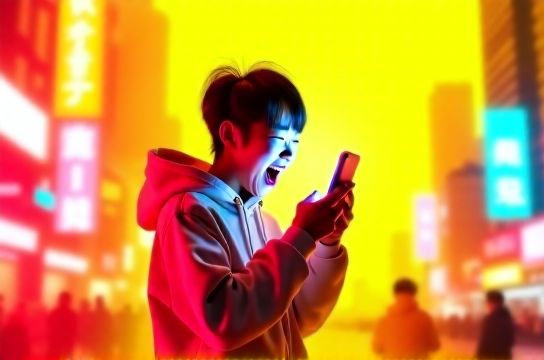
But what makes Chinese meme culture so powerful? Unlike Western platforms where memes spread freely, China’s digital humor dances around censorship with clever wordplay, visual metaphors, and inside jokes only locals get. Think of it as internet guerrilla art—funny on the surface, but often loaded with social commentary.
The Rise of “Grass Mud Horse” and Beyond
Remember the legendary Grass Mud Horse (草泥马)? On the surface, it sounds like a cute animal, but say it out loud—yeah, it rhymes with a certain four-letter English word. This 2009 viral joke was one of the first major examples of how Chinese netizens use homophones to mock censorship. Since then, the playbook has evolved: emojis, doge-style dogs, and even food items like melon tarts (a pun for “sensitive topic”) carry hidden meanings.
According to a 2023 report by QuestMobile, users aged 18–35 spend over 2.7 hours daily on short-video platforms—most of that time scrolling through meme-heavy content. Brands have taken note: over 60% of top-tier companies now employ ‘meme managers’ to craft relatable, humorous campaigns.
Top Platforms Driving Meme Trends
Not all platforms are created equal when it comes to meme diffusion. Here’s where the action happens:
| Platform | Primary Audience | Meme Style | Monthly Active Users (2024) |
|---|---|---|---|
| 25–40 | Satirical posts, image macros | 580M | |
| Douyin (TikTok China) | 18–30 | Viral skits, audio remixes | 750M |
| Bilibili | 16–25 | Anime parodies, danmu spam | 315M |
| Xiaohongshu | Female 20–35 | Lifestyle satire, fashion roasts | 260M |
Notice a trend? Each platform tailors its meme language to its audience. Bilibili teens turn anime characters into political allegories using layered subtitles, while Xiaohongshu users roast luxury brands with fake ‘haul videos’ showing $10 knockoffs.
Why It Matters: More Than Just Jokes
Memes in China do more than entertain—they build communities. A 2024 study from Peking University found that 78% of Gen Z users feel more connected to peers through shared meme references than traditional media. These digital in-jokes create a sense of belonging, especially among those feeling disconnected from mainstream narratives.
And let’s not forget influence. When a meme about “lying flat” (tang ping) went viral in 2021, it sparked national debate on work-life balance and youth disillusionment. The government even responded—proving that a well-timed joke can shake the system.
Final Thoughts
Chinese meme culture is wild, witty, and quietly revolutionary. It’s where comedy meets resistance, and virality equals visibility. For marketers, understanding this language isn’t optional—it’s essential. For users, it’s freedom in disguise.
So next time you see a panda eating noodles or a crying cat with bold text, don’t scroll past. There’s probably a deeper message hiding behind the laughter.