
Decoding Meme Culture China Social Media Humor
- Date:
- Views:223
- Source:The Silk Road Echo
If you've scrolled through Chinese social media lately, you know—meme culture in China isn’t just funny, it’s a full-blown linguistic rebellion. From doge-style dogs to sarcastic pandas, internet users are turning everyday frustration into digital gold. But what makes Chinese memes so uniquely powerful? Let’s dive into the chaos, creativity, and coded humor shaping China’s online identity.
The Rise of 'Wang Yi' Humor
In China, where direct criticism can be risky, netizens weaponize absurdity. Memes become metaphors. A photo of a confused cat? Might actually be poking fun at a government policy. This indirect satire, known as wang yi (literally “accidental meaning”), lets people laugh without crossing red lines.
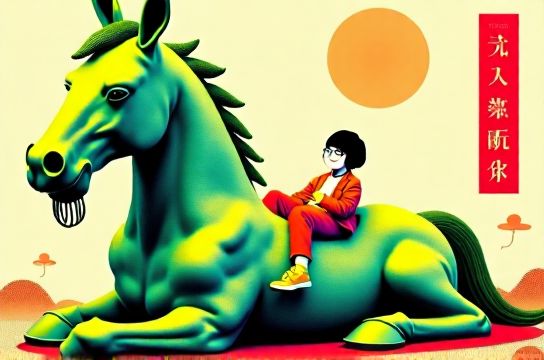
Take the legendary “Grass Mud Horse” meme—a bizarre creature that sounds like a Mandarin profanity. It became a viral symbol of resistance, spawning plush toys, music videos, and even fake documentaries. According to Sixth Tone, the term was mentioned over 10 million times on Weibo before being censored.
Platforms Fueling the Fire
Different platforms breed different flavors of humor:
- Weibo – The Twitter of China, where trending memes spread fast.
- Bilibili – Home to Gen Z, packed with anime parodies and ironic edits.
- Douyin – Short videos turn facial expressions into national jokes (think: the ‘I’m not angry’ face).
Memes as Cultural Code
Chinese memes often rely on wordplay, homophones, and historical references. For example, typing “666” means someone’s skills are fire (like saying “sick!”). “996” started as a meme about grueling work hours—and turned into a nationwide labor debate.
Here’s a breakdown of top meme formats and their real-world impact:
| Meme | Origin | Hidden Meaning | Viral Reach (Est.) |
|---|---|---|---|
| Grass Mud Horse | Baidu Baike (2009) | Political satire via pun | 10M+ mentions |
| Tang Ping (Lying Flat) | Reddit-style forums (2021) | Anti-hustle movement | 800M views on Douyin |
| Neijuan (Involution) | Academic slang gone viral | Exhaustion from over-competition | Trending for 6+ months |
This isn’t just comedy—it’s a coping mechanism. In a high-pressure society, memes offer emotional release and community bonding.
Why Global Audiences Miss the Joke
Without context, Chinese memes look random. That panda yawning? Could reference exam stress. A noodle-slurping video? Might mock workplace hierarchy. The humor is deeply contextual, blending language, politics, and pop culture.
Even brands get in on it. Huawei once used a ‘stubborn radish’ meme (symbolizing resilience) in a campaign—embracing grassroots imagery to appear relatable.
The Future of Chinese Internet Humor
As censorship evolves, so do memes. New slang emerges overnight. Old jokes vanish from search results. Yet creativity persists. Platforms like Xiaohongshu now see ‘aesthetic memes’—soft visuals with biting captions—blending irony with lifestyle content.
One thing’s clear: meme culture in China is more than laughs. It’s a mirror reflecting societal tensions, youth disillusionment, and the genius of coded expression. Whether you’re a marketer, researcher, or casual scroller, understanding these digital whispers is key to grasping modern Chinese sentiment.
So next time you see a weird duck GIF dominating WeChat Moments, don’t scroll past. Pause. Decode. Because in China’s meme universe, every pixel has a punchline—and often, a purpose.