
How Meme Culture China Shapes Online Buzzwords Today
- Date:
- Views:241
- Source:The Silk Road Echo
In the wild, fast-paced world of Chinese social media, one thing rules them all: memes. From Weibo to Xiaohongshu, from Douyin to Bilibili, meme culture in China isn’t just about laughs — it’s a linguistic revolution. Every day, netizens turn sarcasm, satire, and absurdity into viral slang that spreads like digital wildfire. But how exactly does meme culture shape today’s online buzzwords? Let’s dive in.
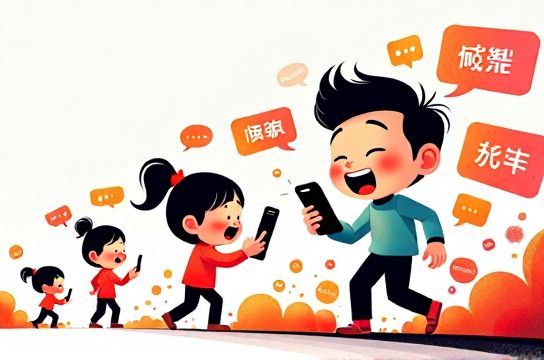
The Birth of a Chinese Internet Meme
Unlike Western memes that often rely on image macros or video clips, Chinese memes thrive on wordplay, homophones, and layered cultural references. Take “内卷” (nèijuǎn), literally meaning 'involution,' now used to describe cutthroat competition in work or school. It started as an academic term but was reborn through memes mocking overachievers pulling all-nighters. Or consider “躺平” (tǎngpíng) — 'lying flat' — a passive resistance movement turned internet mantra, symbolizing opting out of societal pressure. These aren’t just words; they’re ideologies wrapped in humor.
Data That Speaks Volumes
A 2023 report by QuestMobile revealed that over 68% of Chinese users aged 18–35 engage with meme-driven content weekly. Platforms like Bilibili see meme-related videos generating up to 3x more comments than average. Here's a snapshot of top meme-inspired buzzwords and their reach:
| Buzzword | Literal Meaning | Platform Popularity (Million Users) | Year Went Viral |
|---|---|---|---|
| 内卷 (nèijuǎn) | Involution | 420 | 2020 |
| 躺平 (tǎngpíng) | Lying Flat | 380 | 2021 |
| 社死 (shèsǐ) | Social Death | 310 | 2019 |
| 破防 (pòfáng) | Emotional Breakdown | 290 | 2022 |
| 绝绝子 | Ultimate Amazing | 260 | 2021 |
Why Memes = Power
Memes are more than jokes — they’re tools of expression in a tightly regulated online space. When direct criticism is risky, irony and absurdity become shields. A cartoon of a 'lying flat' cucumber became the face of anti-hustle culture. A panda shrugging evolved into a national symbol of helplessness. These visuals, paired with punchy phrases, bypass censorship while resonating emotionally.
The Ripple Effect
Once a meme hits critical mass, it jumps from screens to real life. Brands use “绝绝子” in ads. News outlets reference “内卷” in economic reports. Even state media has acknowledged “躺平” — not to endorse it, but to engage the youth conversation. This crossover proves meme culture isn’t fringe; it’s mainstream.
So next time you see a weird panda pic with odd text, don’t scroll past. You might be witnessing the birth of the next big buzzword. In China’s digital jungle, memes don’t just reflect culture — they redefine it.