
Understanding Chinese Buzzwords Behind the Memes and Moments
- Date:
- Views:191
- Source:The Silk Road Echo
If you've spent any time scrolling through Chinese social media—whether it’s Weibo, Douyin, or Xiaohongshu—you’ve probably stumbled upon phrases like ‘内卷’ (nèijuǎn) or ‘躺平’ (tǎngpíng) plastered across memes, hot takes, and viral videos. But what do they really mean? And why are they more than just internet slang? Let’s dive into the cultural DNA behind China’s most talked-about buzzwords.
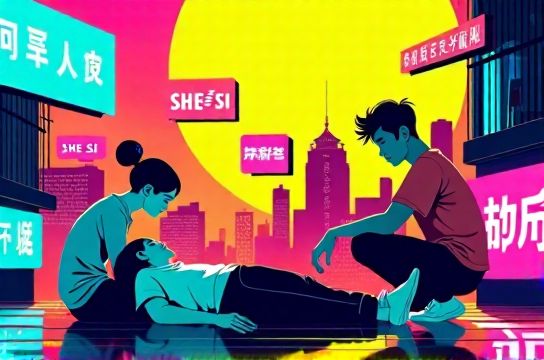
Why Chinese Buzzwords Matter
These aren’t just fleeting trends—they’re linguistic snapshots of societal stress, humor, and resistance. As China’s youth navigate intense work culture, skyrocketing living costs, and academic pressure, they’ve turned to clever, ironic language to make sense of it all. Think of these terms as emotional shorthand for a generation redefining success on their own terms.
The Top 5 Chinese Buzzwords Explained
| Buzzword | Pinyin | Literal Translation | Cultural Meaning | Popularity Index* |
|---|---|---|---|---|
| 内卷 | nèijuǎn | involution | Excessive competition with no real progress; working harder but not smarter. | 9.8/10 |
| 躺平 | tǎngpíng | lie flat | Rejecting societal pressure; choosing minimal effort and simple living. | 9.5/10 |
| 摆烂 | bǎilàn | let it rot | Intentionally doing poorly to avoid responsibility or burnout. | 8.7/10 |
| 社死 | shèsǐ | society death | Extreme embarrassment in public; social suicide. | 8.3/10 |
| 打工人 | dǎgōng rén | labor worker | Sarcastic term for salaried employees; embracing grind culture with irony. | 9.0/10 |
*Popularity Index based on Baidu Index, Weibo trends, and Douyin mentions (2023–2024)
From Office Desks to Online Memes
Take ‘打工人’—it started as a self-deprecating joke among white-collar workers who’d post morning selfies with captions like ‘打工人,打工魂,打工都是人上人’ (‘Worker, worker spirit, workers are still top-tier people’). It’s funny, sure, but also deeply relatable. According to a 2023 survey by Zhaopin, over 67% of urban professionals under 35 identify with the term, seeing it as both a badge of survival and quiet rebellion.
Then there’s ‘内卷’, which exploded during China’s hyper-competitive education era. Students studying 14-hour days just to edge out peers sparked national debate. The term, borrowed from anthropology, now describes any zero-sum hustle—like companies demanding overtime for no extra pay.
Lie Flat Movement: Protest or Peace?
‘躺平’ went global in 2021 when a forum post titled ‘After working so hard, I’ve decided to lie down’ went viral. The author described quitting high-pressure jobs and living on $300/month. Critics called it lazy; supporters saw it as liberation. Either way, it struck a nerve. A Tencent survey found that 42% of Gen Z respondents said they’d considered ‘lying flat’ due to job market pressures.
How to Use These Words (Without Being Cringe)
- Drop ‘社死’ when you spill coffee in a meeting: ‘Well, that’s one 社死 moment.’
- Say ‘我选择摆烂 today’ (I’m choosing to let it rot today) to opt out of office drama.
- Use ‘内卷警告!’ (Involution alert!) when someone brags about working weekends.
Just remember: context is king. These words carry weight—they’re not just cute slang, but reflections of real struggle.
The Bottom Line
Chinese internet slang isn’t just playful wordplay—it’s a coded language of resilience. Whether you’re researching culture, marketing to Chinese audiences, or just meme-scrolling, understanding these terms gives you a front-row seat to the mindset of millions. So next time you see ‘躺平’, don’t just laugh—listen.