
Understanding Meme Culture China and Its Social Impact
- Date:
- Views:264
- Source:The Silk Road Echo
In the digital age, few things spread faster than a well-timed meme. In China, meme culture isn’t just about laughs—it’s a mirror reflecting societal moods, generational shifts, and even political undercurrents. From diaosi (loser) to xianyu (lying flat), Chinese netizens have mastered the art of turning irony into identity. Let’s dive into how memes in China evolved from internet jokes into powerful cultural tools.
The Rise of Meme Power in China
Unlike Western meme hubs like Reddit or Twitter, China’s meme ecosystem thrives on platforms like Weibo, Douyin, and Bilibili. These spaces blend humor with subtle social commentary. A 2023 report by QuestMobile shows that over 680 million users engage with short-video content monthly—many of which are meme-driven. What makes Chinese memes unique is their coded language. Censors may block direct criticism, but a panda wearing sunglasses saying “I’m fine” speaks volumes.
Cultural Codes Behind the Laughs
Chinese memes often rely on wordplay, historical references, or absurd visuals to bypass censorship. Take the phrase “Involution” (内卷)—originally an anthropological term, now used to describe cutthroat competition in jobs and education. Paired with images of people running on hamster wheels, it captures urban anxiety perfectly.
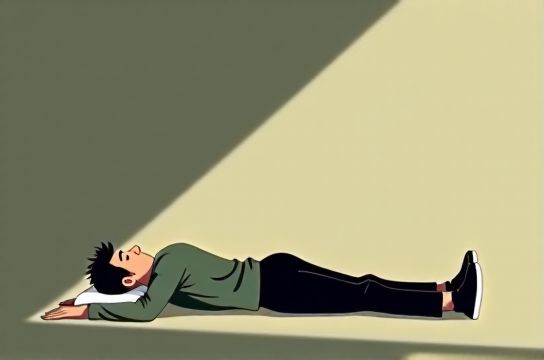
Another example: “Tang Ping” (躺平), or “lying flat,” became a viral mantra among youth rejecting hustle culture. According to a 2022 Peking University survey, nearly 40% of respondents aged 18–30 identified with the movement, using memes to express burnout and disillusionment.
Data Snapshot: Meme Engagement Trends (2020–2023)
| Year | Platform | Monthly Active Users (Millions) | Top Meme Theme |
|---|---|---|---|
| 2020 | 550 | Workplace Satire | |
| 2021 | Bilibili | 270 | Youth Rebellion |
| 2022 | Douyin | 750 | Lying Flat Movement |
| 2023 | All Platforms | 920 | Economic Anxiety |
From Humor to Resistance?
While memes may seem harmless, authorities take them seriously. In 2021, regulators cracked down on 'low-quality' content, including certain meme formats. Yet, creativity persists. Netizens now use AI-generated avatars or ancient poetry parodies to keep the satire alive. It’s a digital cat-and-mouse game where humor becomes both shield and sword.
Why This Matters Globally
China’s meme culture offers a blueprint for how online communities navigate control and expression. As global youth face similar pressures—from housing crises to job insecurity—the emotional resonance of Chinese memes transcends borders. Understanding them isn’t just about decoding jokes; it’s about reading the pulse of a generation.
So next time you see a cartoon frog sipping tea with the caption “I do nothing,” remember: behind the meme is a story of resistance, resilience, and raw human emotion.